 Back to News
 Jump to other articles:
- Latin America Is No Longer Just A Plan B: Argentina, Panama, and Paraguay
- Malta Leads Europe in Tourism Growth: What It Means for Property and MPRP Applicants
- IN THE MEDIA: Latitude Features In IMI Daily
- Why Argentina Is Emerging as a Lifestyle Destination for Global Citizens
- IN THE MEDIA: Latitude Features In Le Figaro
Living in Argentina: What International Families Should Know
Share:



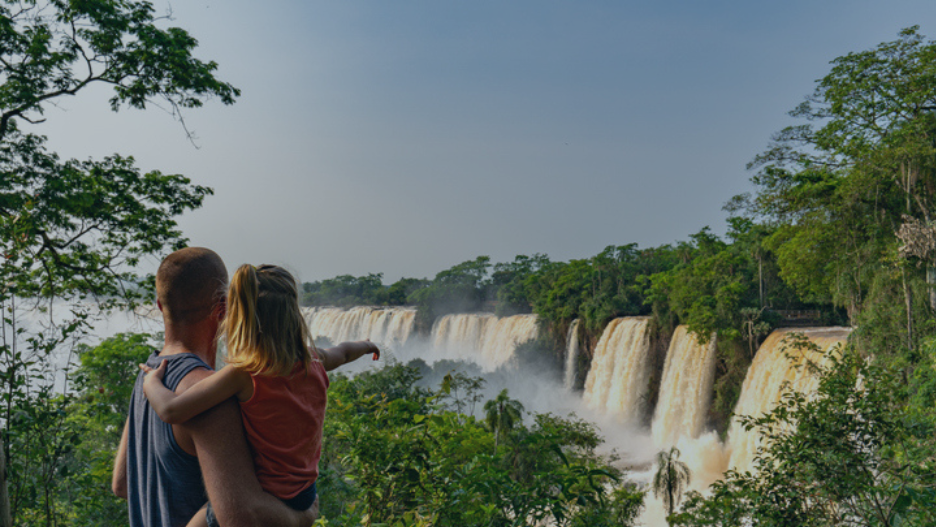
Argentina is attracting growing attention from internationally mobile families seeking a combination of lifestyle, culture, natural beauty, and long-term mobility options. From the European character of Buenos Aires to the vineyards of Mendoza and the dramatic landscapes of Patagonia, the country offers remarkably varied possibilities for families considering life in South America.
Interest has also been reinforced by Argentina’s developing Citizenship by Investment framework, which is expected to introduce a new route for international investors. For families assessing the country, however, the potential immigration pathway is only one part of the picture. Language, education, location, economic conditions, and day-to-day life all deserve careful consideration.
As Eric Major, CEO and Chairman of Latitude Group, explains: “For international families, Argentina should be considered as more than an emerging citizenship opportunity. The country offers a distinctive combination of established cities, international education, strong cultural traditions, and access to exceptional natural environments. For families considering a move, understanding the lifestyle is just as important as understanding the available immigration pathways.”
Key Takeaways
- Argentina is developing a Citizenship by Investment framework expected to offer a direct pathway to citizenship.
- The country offers a highly varied lifestyle, with considerable differences between Buenos Aires, Mendoza, Patagonia, and its other regions.
- Spanish is the principal language, and learning Argentine Spanish can make the transition considerably easier for international families.
- Buenos Aires has a well-established network of bilingual and international schools.
- Argentina’s economy is changing rapidly, making up-to-date financial planning particularly important for relocating families.
Why Argentina Matters for International Families
Argentina is increasingly relevant to families considering not only where they can live, but how a country might fit into a broader international lifestyle and mobility strategy.
Its scale is one of its defining characteristics. Buenos Aires offers a cosmopolitan, European-influenced environment. Further west, Mendoza provides a slower pace of life surrounded by vineyards and the Andes, while Patagonia offers mountains, lakes, glaciers, skiing, and extensive opportunities for outdoor recreation.
There is, in other words, no single “Argentine lifestyle”. A family’s experience will differ considerably depending on where it chooses to live.
Argentina’s emerging Citizenship by Investment opportunity adds another dimension. The program is currently expected to include:
- Processing in under four months
- The inclusion of a spouse and dependent children
- Dual citizenship
- No ongoing residence requirement
- Visa-free or visa-on-arrival access to more than 160 countries
Final procedures and program terms remain subject to confirmation by the Argentine authorities.
“The emergence of a new direct citizenship route is naturally generating interest, but it should be assessed as part of a wider plan,” explained Eric Major.
“Families need to understand what the citizenship may provide, what the program will require, and whether Argentina itself aligns with their personal, financial, and long-term objectives.”
For international families, this makes Argentina a country worth watching both as a potential place to live and as an emerging option within the global investment migration landscape.
The Argentine Lifestyle: Different Regions, Different Experiences
One of the most important things to understand about Argentina is its sheer size. The country stretches from the subtropical north to the southern reaches of Patagonia, with major differences in climate, geography, culture, infrastructure, and pace of life between regions.
The following three destinations illustrate some of that variety, although families have many other locations to consider.
Buenos Aires
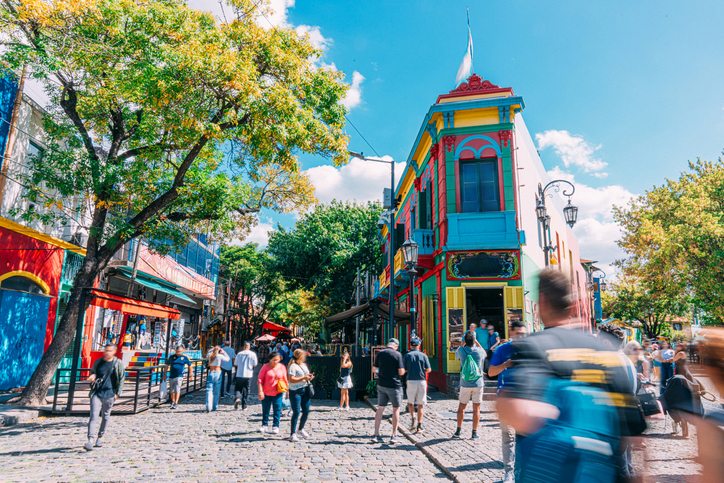
Buenos Aires is likely to be the first point of consideration for many international families. Often described as one of the most European-influenced cities in Latin America, the capital combines grand architecture and leafy neighborhoods with restaurants, galleries, theaters, shopping, and vibrant nightlife. Areas such as Recoleta, Palermo, Belgrano, and Puerto Madero each offer a distinct residential environment.
For families, Buenos Aires also has the country’s strongest concentration of international schools, professional services, private healthcare, and established expatriate networks.
Read our latest article exploring life in Buenos Aires for expatriates.
Mendoza
Mendoza offers a very different experience. Located close to the Andes, the province is internationally recognized for its wine production, particularly Malbec. Life can feel more relaxed than in Buenos Aires, while residents still have access to a sophisticated restaurant and hospitality scene.
The surrounding mountains may also appeal to families who value the outdoors, with hiking, skiing, and other activities available across the wider region.

Patagonia
For families seeking space and close access to nature, Patagonia is one of Argentina’s defining attractions. The region encompasses mountains, lakes, glaciers, forests, and extensive wilderness.
Bariloche, for example, combines a mountain-town environment with skiing and outdoor recreation. Further south, destinations such as El Calafate provide access to some of the country’s most dramatic glacial landscapes.
Patagonia will not suit every family as a permanent base, particularly where international schooling or extensive professional infrastructure is a priority. It may, however, offer an exceptional lifestyle for those who value nature, space, and outdoor living.
“Choosing Argentina is not simply a country-level decision,” Major notes. “The practical experience of a family living in central Buenos Aires will be very different from that of one based in Mendoza or Patagonia. Location should be considered alongside schooling, work, healthcare, connectivity, and the lifestyle the family genuinely wants.”

Spanish Language and Argentine Culture
Spanish is the principal language spoken throughout Argentina. Although English is understood in parts of Buenos Aires, particularly in international business and tourism, families planning a long-term move should not assume it will be sufficient for everyday life.
Argentine Spanish has its own distinctive characteristics. The use of “vos” rather than “tú”, particular pronunciation patterns, and local expressions make it noticeably different from the Spanish spoken in Spain, Mexico, and other parts of Latin America.
For children, this can become an advantage. Living in Argentina may provide an opportunity to develop Spanish fluency while continuing their education through an international or bilingual curriculum.
For parents, acquiring at least a working knowledge of Spanish can make the practical aspects of settling in considerably easier, from dealing with local services to building relationships within the community.
Family Culture and Social Life
Family and social relationships play an important role in everyday life in Argentina. The culture places considerable emphasis on social gatherings, conversation, shared food, and time spent with friends and extended family.
Daily schedules may take some adjustment. Dinner, for example, often begins considerably later than many international families are accustomed to.
One of the best-known expressions of Argentine social culture is the asado. More than simply a barbecue, it is often an extended social occasion centered on grilled food, conversation, family, and friends. Weekends frequently revolve around long meals and gatherings, making food an important part of community life.
Schools and Education for International Families
Education is naturally one of the most important considerations for families relocating with children.
Buenos Aires has a particularly well-established international and bilingual education sector. Families can find schools offering combinations of Argentine and international curricula, including British, American, French, German, and International Baccalaureate pathways.
This gives internationally mobile families a degree of flexibility. A family arriving from Europe may wish to maintain an IB or European-oriented pathway, while one relocating from the United States may prefer an American curriculum. Some schools combine the Argentine national curriculum with international qualifications.
Families should consider:
- Curriculum and international accreditation
- Language of instruction
- Location and commuting time
- Admission requirements and availability
- Tuition fees and additional school costs
- Whether children can transition back into their previous education system
- The longer-term university plans of older children
In Buenos Aires, school location may also influence the most practical choice of neighborhood.
“Education should be examined early in the relocation process rather than after a family has selected a property,” advised Eric Major.
“School availability, curriculum, language, and travel time can all shape where it makes sense to live and how smoothly children make the transition.”
Cost of Living in Argentina and the Country’s Changing Economy
Argentina’s economic environment is an important consideration for international families, but it is also an area in which outdated assumptions can quickly become misleading.
The country has experienced periods of very high inflation and significant currency volatility. Although conditions continue to evolve, inflation remains materially higher than in many European and North American economies, and families should allow for prices to change over time.
Argentina’s currency system has also changed. Since April 2025, the peso has operated within a floating exchange-rate band, with its parameters adjusted from 2026 according to inflation data.
This matters in practical terms because international families may hold income, investments, or savings in another currency while paying some or all of their everyday expenses in Argentine pesos.
Certain goods, services, and higher-value assets are also commonly priced with reference to US dollars. The dollar therefore plays an important role in some transactions, although Argentina remains a peso-based economy.
Mr Major says families should avoid relying on a single headline cost-of-living comparison: “A family’s actual financial experience will depend on how and where it lives, the currency in which it earns and holds wealth, its schooling choices, and its reliance on imported goods or services. Current, personalized planning is far more useful than broad assumptions about Argentina being either inexpensive or expensive.”
Buying Food, Clothing, and Everyday Goods
The cost of living in Argentina can be attractive in some areas, but families should not assume that everything will be inexpensive. Local services and certain locally produced goods may offer value compared with major European or North American cities.
Imported goods can be considerably more expensive. Clothing, footwear, electronics, and other products have historically been affected by import costs, currency movements, and domestic pricing conditions. Food prices can also change as inflation and exchange-rate conditions evolve.
A simple cost-of-living index therefore does not tell the whole story. Location, lifestyle, schooling, and the balance between locally produced and imported purchases can all have a significant effect on a family’s household budget.
Safety When Living in Argentina
Argentina should not automatically be regarded as an unsafe destination. The US Department of State currently classifies the country at Level 1: Exercise Normal Precautions, while noting that petty crime occurs, particularly in Buenos Aires and other popular visitor destinations.
Families living in Buenos Aires should adopt sensible urban precautions, including keeping phones and valuables secure, remaining alert in crowded areas, and using reputable transportation services.
Safety is best treated as a normal part of relocation planning rather than a reason to dismiss living in Argentina altogether. As in any large and varied country, the experience depends partly on the city, neighborhood, routines, and precautions involved.
Argentina’s Current Political and Economic Direction
Argentina is undergoing a significant period of political and economic change under President Javier Milei. Families considering relocation should understand this environment without allowing current political debate to overshadow the country’s broader lifestyle proposition.
The government has introduced reforms intended to reduce the role of the state in parts of the economy, encourage investment, and strengthen private property rights. Some measures have also generated substantial political and public debate.
One example is proposed legislation relating to private property and foreign ownership of rural land. The government’s original proposal sought to make it easier for foreign investors to acquire rural land, alongside changes to eviction and expropriation rules. Following opposition, the Senate advanced a revised version that removed provisions concerning unrestricted foreign land ownership and certain environmental rules. The matter remains part of an evolving legislative process.
This is relevant to international families and investors interested in property or land, but it should be viewed within the wider context of Argentina’s continuing economic reforms rather than as a defining feature of everyday life.
The broader picture is of a country actively reshaping its economic model. The results will remain important to international investors and relocating families in the years ahead.
What This Could Mean Going Forward
Argentina’s next phase will be watched closely by internationally mobile families, investors, and the investment migration industry.
Economic reforms may continue to influence the cost of living, currency stability, foreign investment, and the country’s attractiveness as a place to establish a business or family base.
At the same time, the Citizenship by Investment framework is expected to develop further. The final investment requirements, qualifying routes, application procedures, and operational timeline will be crucial considerations for prospective applicants.
It remains to be seen how quickly the program moves from its existing legal framework into full operation. Families considering living in Argentina should therefore distinguish carefully between what has been legally established, what is presently expected, and what still requires confirmation.
As Eric Major explains: “Argentina’s developing Citizenship by Investment framework adds an interesting dimension for internationally mobile families, particularly where citizenship planning forms part of a wider global mobility strategy. However, families should look beyond the passport itself and consider education, language, lifestyle, financial planning, and where Argentina fits within their broader long-term objectives.”
The lifestyle proposition, meanwhile, is already well established. Argentina offers an unusual combination of cosmopolitan city living, strong cultural traditions, international education, and access to some of the world’s most spectacular natural landscapes. For the right family, those qualities can make it a compelling country to explore.
Frequently Asked Questions
What is the Argentine Citizenship by Investment program?
Argentina has established a legal framework for citizenship by investment and created a dedicated government agency to administer and develop investment citizenship programs. The program is expected to launch in 2026, although final procedures and qualifying investment requirements remain subject to confirmation.
How much investment is expected for Argentine Citizenship by Investment?
Latitude’s current program guide identifies a Treasury contribution beginning at USD 500,000 and a separate USD 1 million sovereign bond option. These figures and the final investment structure remain subject to confirmation by the Argentine authorities.
Will families need to live in Argentina to use the expected Citizenship by Investment route?
Latitude currently expects no ongoing residence requirement under the proposed program. The guide also anticipates that a single in-person visit will be required for biometrics, with no further physical-presence requirement. Final procedures remain subject to confirmation.
Is Argentina a good place for international families to live?
Argentina can be an attractive option for families seeking a combination of culture, education, outdoor living, and major-city infrastructure. Location is crucial, as life in Buenos Aires may be very different from the experience offered elsewhere in the country.
What language is spoken in Argentina?
Spanish is the principal language. Argentine Spanish has distinctive vocabulary and pronunciation, and international families can benefit considerably from learning the local form of Spanish before relocating.
Are there international schools in Argentina?
Yes. Buenos Aires has an established network of bilingual and international schools offering a range of curricula. Other cities and provinces, including Córdoba and Mendoza, also have bilingual education options, although the choice may be more limited.
Is Argentina safe for families?
Argentina is generally considered suitable for normal travel precautions, although petty crime and theft can occur in Buenos Aires and other urban areas. Families should take sensible precautions, particularly in crowded places and on public transport.
Is Argentina expensive to live in?
That depends significantly on location and lifestyle. Local services and some locally produced goods may be relatively affordable, while imported products, clothing, electronics, and international schooling can add considerably to household expenses. Inflation and currency movements also mean that costs should be assessed close to the time of relocation.