 Back to News
 Jump to other articles:
- IN THE MEDIA: Latitude Features In IMI Daily
- IN THE MEDIA: Latitude Features In Le Figaro
- Citizenship by Investment: Which Program Should You Choose?
- From Malta to Washington: What Pete Buttigieg’s Family Story Says About Malta’s Global Reach
- What Happens Post Approval? Malta vs Greece vs Portugal Residence Programs Compared
Buenos Aires for Expats: Lifestyle, Culture, and Practical Considerations

Share:



As Argentina continues to develop its Citizenship by Investment program, the country is attracting growing attention from internationally mobile individuals exploring new residence, citizenship, lifestyle, and investment opportunities. While full program details are still expected, recent developments have already drawn attention to Argentina’s investment potential, quality of life, and long-term appeal as a destination for relocation.
At the heart of that appeal is Buenos Aires. Often described as the “Paris of South America”, the Argentine capital blends European-inspired architecture and café culture with a dynamic business environment and vibrant social scene. For expats, investors, entrepreneurs, and families considering a move, Buenos Aires offers a distinctive lifestyle alongside practical advantages. This makes it a natural starting point when evaluating Argentina as a place to live, work, or invest.
“Buenos Aires offers something many globally mobile individuals are looking for: a cosmopolitan lifestyle with a distinct cultural identity,” said Eric Major, CEO and Chairman of Latitude.
“It is a city where quality of life, business opportunity, and community come together in a way that is increasingly attractive to expats.”
Key Takeaways
- Buenos Aires offers a distinctive expat lifestyle. It combines European-inspired architecture, vibrant neighborhoods, world-class dining, and a rich cultural scene with the energy of Latin America.
- The city is one of South America’s leading destinations for internationally mobile professionals, families, entrepreneurs, and investors, thanks to its diverse economy, international community, and broad range of lifestyle options.
- Living costs can be attractive when compared with many major global cities. Though expats should understand Argentina’s inflationary environment, exchange rate dynamics, and day-to-day financial considerations.
- Healthcare, education, and public transport are well developed. This gives expats access to quality services while offering a relatively straightforward transition into daily life.
- Anyone considering relocating to Buenos Aires should understand the practical aspects of living in Argentina. These include visas, language, safety, and how the country’s evolving investment migration landscape may influence future opportunities.
Why Buenos Aires for Expats?
As Argentina continues to formalize its Citizenship by Investment framework, Buenos Aires is likely to become an even more prominent destination for internationally mobile individuals exploring opportunities in South America. As the country’s economic, cultural, and commercial center, the capital offers valuable insight into what day-to-day life in Argentina can offer prospective residents.
For expats, understanding Buenos Aires goes beyond its lifestyle appeal. It helps assess whether Argentina aligns with long-term personal, family, and business goals, particularly for:
- International investors evaluating Argentina’s evolving investment landscape and future residence or citizenship opportunities.
- Globally mobile families seeking a vibrant, culturally rich city with access to quality healthcare, education, and a high standard of urban living.
- Entrepreneurs and business owners looking to establish a presence in one of South America’s largest commercial and innovation hubs.
- Residence and prospective citizenship applicants who want to understand what living in Argentina is like before making a long-term commitment.
- Relocation clients and remote professionals considering Buenos Aires as a base that combines a cosmopolitan lifestyle with access to the wider Latin American market.
What to Know About Buenos Aires and Argentina
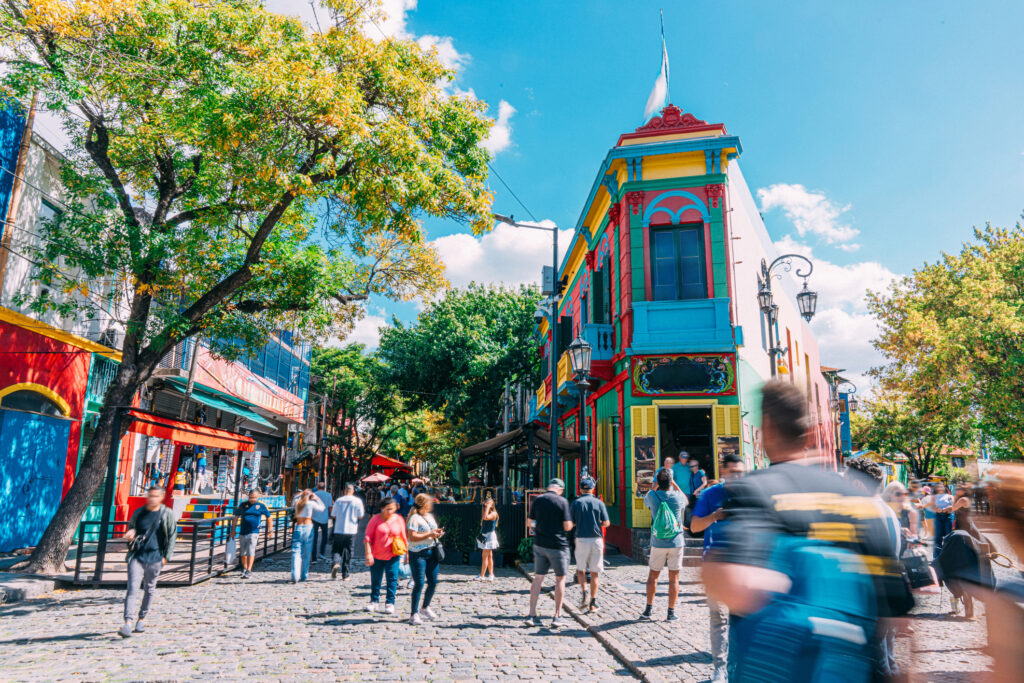
For many expats, Buenos Aires offers a distinctive blend of European influence and Latin American character. Wide boulevards, Belle Époque architecture, historic cafés, and extensive green spaces sit alongside lively neighborhoods, late-night dining, football culture, and a thriving arts scene.
Districts such as Palermo, Recoleta, Belgrano, and Puerto Madero each offer different lifestyles. This enables residents to choose between quieter residential communities, business districts, or vibrant urban centers.
Daily life, however, also requires careful planning. Argentina’s economic environment is unlike that of many destinations popular with expats. Inflation and currency fluctuations influence everything from household budgeting to property decisions. While many newcomers find the overall cost of living attractive compared with major cities in North America or Western Europe, understanding local banking, payment methods, taxation, and exchange rate dynamics is an important part of settling successfully.
It is also worth noting that while many day-to-day expenses, such as dining out, domestic services, and public transport, can be relatively affordable, imported consumer goods can be significantly more expensive than newcomers expect due to import duties, taxes, and local market conditions.
Spanish, Safety, and Everyday Living
Language and culture are equally significant considerations. Although English is widely spoken in parts of the business community and hospitality sector, Spanish remains essential for navigating everyday life and integrating into local communities.
Social interactions tend to be relationship-driven, with long meals, cafés, and family gatherings playing an important role in Argentine culture. For many expats, embracing these cultural differences becomes one of the most rewarding aspects of living in Buenos Aires, and developing a basic understanding of Spanish can make interactions significantly easier.
Buenos Aires is generally considered one of South America’s more livable capital cities and is home to a large, well-established international community. However, as with any major metropolitan area, personal security should remain an important consideration. The most common issues affecting residents and visitors are opportunistic crimes such as pickpocketing and mobile phone theft, particularly in busy commercial districts, transport hubs, and crowded public spaces. Expats and locals alike are advised to remain aware of their surroundings.
The Bigger Picture
The growing interest in Buenos Aires reflects a broader shift in how internationally mobile individuals evaluate potential destinations. Investment migration programs remain an important consideration. However, lifestyle, economic opportunity, quality of life, and long-term stability have become equally influential factors when choosing where to live, work, or invest.
“When clients evaluate a potential relocation destination, they are looking beyond immigration pathways,” said Eric Major. “They want to understand what everyday life is really like. Buenos Aires stands out for its culture, infrastructure, and long-term appeal for internationally mobile families and professionals.”
Across Europe, the Caribbean, the Middle East, and increasingly Latin America, governments are competing to attract skilled professionals, entrepreneurs, investors, and remote workers. They are doing this via a combination of residency incentives and investment migration programs. As countries look to attract international capital and talent, major cities have become the primary beneficiaries, offering established infrastructure, international business networks, and a high standard of urban living.
Buenos Aires is well-positioned within this evolving landscape. As Argentina’s economic, financial, and cultural center, the city already appeals to digital nomads, entrepreneurs, multinational businesses, and retirees seeking a cosmopolitan lifestyle with comparatively lower day-to-day living costs than many cities in North America or Western Europe.
The continued development of Argentina’s Citizenship by Investment framework is likely to reinforce this international interest, placing greater emphasis on the practical realities of living in the country’s capital.
For investors, the focus extends beyond the legal pathway to residence or citizenship. Increasingly, decisions are shaped by whether a destination offers long-term lifestyle value, business opportunities, access to quality healthcare and education, and a welcoming environment for families.
In that respect, Buenos Aires reflects a wider trend in global mobility, where the attractiveness of a destination depends as much on everyday quality of life as it does on immigration policy.

What This Could Mean Going Forward
Argentina’s developing Citizenship by Investment framework is expected to place Buenos Aires more firmly on the radar of internationally mobile investors, entrepreneurs, and families. While the framework itself is likely to attract initial attention, the long-term success of any investment migration initiative will depend on whether prospective applicants view Argentina as an attractive place to live, work, and invest.
Buenos Aires is well-positioned to benefit from this increased interest. As Argentina’s economic and cultural center, the city already offers many of the qualities that globally mobile individuals seek. This includes a vibrant lifestyle, established infrastructure, international business opportunities, and a rich cultural environment. Greater international visibility may encourage further investment. This would, in turn, strengthen the city’s position as a regional business hub. It would also support growth in sectors such as real estate, professional services, and hospitality.
It remains to be seen how the final structure of Argentina’s Citizenship by Investment framework will influence demand and whether additional policy reforms will accompany its introduction. Prospective applicants are expected to look beyond the investment threshold itself. They should place equal importance on factors such as economic stability, taxation, healthcare, education, and the overall quality of life available in Buenos Aires.
For expats considering a move, the development may present new opportunities to establish a long-term presence in Argentina. As further details emerge, understanding the lifestyle, culture, and practical realities of living in Buenos Aires will remain just as important as understanding the legal pathway to residence or citizenship.
Related Topics:
- The Latest on Argentinian Investment
- What the Market Needs to Understand about Argentina Citizenship by Investment
- Argentina Appoints Executive Director for Citizenship by Investment Agency
Frequently Asked Questions
Why is Buenos Aires an attractive city for expats?
Buenos Aires offers a compelling balance of lifestyle, culture, and opportunity. It is known for its European-inspired architecture, thriving café culture, world-class dining, and rich arts and entertainment scene. The city also provides access to quality healthcare, international schools, and an extensive public transport network.
Many expats find Buenos Aires’ vibrant neighborhoods, strong sense of community, and comparatively affordable day-to-day living costs appealing. Though they should also be prepared for economic factors such as inflation and currency fluctuations, and should remain alert to opportunistic theft in public spaces.
What is the cost of living in Buenos Aires?
Compared to many major cities in North America and Western Europe, the cost of living in Buenos Aires is attractive. However, expats should be aware that inflation, exchange rate fluctuations, local payment systems, and the high cost of imported goods can significantly influence day-to-day expenses.
Do you need to speak Spanish to live in Buenos Aires?
Some knowledge of the Spanish language makes everyday tasks easier and supports smoother interactions with local services. It also helps expats integrate into local communities and Argentine culture. However, it is possible to get by with only English in some business and tourist areas.
Is it easy to visit Argentina before moving?
Yes, and many prospective expats choose to experience a country before committing to a long-term move. Argentina allows nationals of many countries to visit for tourism without obtaining a visa in advance. Entry requirements and permitted lengths of stay vary depending on nationality.
In general, visitors should hold a valid passport and be able to demonstrate the purpose of their visit if requested. They may also need to show evidence of onward or return travel.
Why are more international investors paying attention to Buenos Aires?
Buenos Aires combines many of the factors internationally mobile investors look for when assessing a new market. As Argentina’s financial, commercial, and cultural capital, it offers access to one of Latin America’s largest economies, a skilled workforce, established business infrastructure, and a vibrant international community.
The city’s comparatively affordable cost of living, together with opportunities in sectors such as real estate, technology, agriculture, and professional services, has strengthened its appeal. Argentina’s developing Citizenship by Investment framework has further increased international interest. This encourages investors to take a closer look at both the country’s economic opportunities and the practical realities of living in Buenos Aires.
When will Argentina’s Citizenship by Investment program launch?
Argentina is currently developing a Citizenship by Investment program. The full legal framework, eligibility criteria, qualifying investment thresholds, and application forms are expected to be available in Q4 2026.
Prospective applicants should monitor official announcements and seek guidance as further details become available.
Need Advice on Relocating to Argentina?
Whether you are exploring Argentina’s developing Citizenship by Investment framework or simply considering Buenos Aires as your next home, Latitude’s global mobility specialists can help you understand your options and plan your next move with confidence.
To learn more, contact our team. You can also book a complimentary consultation to discuss your residence, citizenship, or international relocation goals.
Contact us here
Book a complimentary phone call with one of our experts here