 Back to News
 Jump to other articles:
What Happens Post Approval? Malta vs Greece vs Portugal Residence Programs Compared
Share:



Applying for residence programs, getting all of the formalities straight, and understanding every possible outcome are just the starting pieces in the broader world mobility puzzle – but what happens afterwards, and how do you ensure everything is on track post-approval?
This is often the part of the application that globally mobile individuals forget about: the “what happens next”? For those looking towards Europe, and most predominantly choosing between the programs of Malta, Greece, and Portugal, knowing what comes next can be even more important than the initial application process.
Let’s take a look at each of the programs and see what steps can be expected after residency is approved.
Key Takeaways
- Residence approval is the beginning of the next stage, not the end of the process
- Families may need to co-ordinate practical arrangements such as residence cards, travel, accommodation, schooling, healthcare, and more
- Malta, Greece, and Portugal have different residence structures, meaning ongoing obligations and physical presence requirements differ significantly
- Applicants should keep track and make note of any post-application documentation such as residence card validity and insurance
- Tax planning should be considered separately to immigration
Why This Matters For International Individuals and Families
Securing European residence is a major step, but the value of the residence permit ultimately depends on how effectively it fits into the applicant’s everyday life.
Perhaps for families, approval will be followed by a direct move, which involves a lot of co-ordination. Aspects that may need to be considered include finding a new school for the children; searching for a family home; securing private healthcare; and establishing a more permanent routine in their chosen country.
For others, the objective may be vastly different, with approval merely providing a European base without requiring a full relocation. The applicants may continue living elsewhere while using the residence to spend time in the country or create additional flexibility for the future.
The first step after approval is usually administrative: making sure the residence status is formally activated and that the applicant and eligible family members have the appropriate residence documentation. This can involve biometrics, residence cards, final documentation, proof of accommodation or insurance, and other country-specific formalities. The exact sequence depends on the program.
Comparing Malta, Greece, and Portugal, each of their residence programs differ in their physical presence requirements, investment structures, renewal arrangements, and long-term pathways.
Malta: Permanent Residence With an Ongoing Property Commitment
Malta’s Permanent Residence Programme (MPRP) is different from the temporary residence structure associated with other programs, such as Portugal’s Golden Visa, as there is no minimum physical presence requirement.
The MPRP grants permanent residence in Malta, but beneficiaries still have ongoing obligations connected to the program.
Depending on the route selected, whether buying or renting, the qualifying property must be maintained for at least five years. Residence cards are valid for five years and are renewable thereafter, subject to the applicable requirements.
Residency Malta requires annual compliance documentation during the first five years, including evidence that the qualifying property, health insurance, financial resources, and other applicable conditions continue to be maintained. Thereafter, the Agency may request further compliance evidence at its discretion.
What to do next in Malta
For applicants who have been approved, the immediate priorities are relatively straightforward:
- Complete the residence card process, including biometrics
- Make sure the qualifying property arrangements are in place and that the supporting documents are retained
- Keep the health insurance, financial evidence, and annual compliance documentation up to date
- Decide whether Malta will become the family’s main home or a second base
- If relocating, start looking at schools, healthcare, and longer-term accommodation based on lifestyle rather than simply program eligibility
For families, the accommodation decision can be particularly important. A family relocating to Malta may want to consider areas based on school access, commuting, community, and everyday amenities, rather than choosing property solely because it meets the program criteria.
Those using Malta as a second base may have a different priority: ensuring the property is practical for regular family stays while retaining a primary home elsewhere.
As Eric Major, CEO of Latitude Group, explains:
“For many families, approval is when the residence strategy becomes tangible. They can start thinking about where their children will go to school, where they want to spend their time, and whether Malta is going to be a second home or somewhere they eventually relocate to.”
One practical point is worth remembering: changes in family circumstances should be reviewed rather than assumed to have no effect. A child reaching a particular age, getting married, or changing their circumstances can affect how their residence status is maintained.
Greece: When the Residence Permit and Property Are Connected
Greece offers a different post-approval experience, particularly for applicants who have obtained residence through qualifying real estate.
The Greece Golden Visa provides a permanent residence permit, with the residence permit itself issued for five years and is renewable, provided the qualifying investment and other requirements continue to be met.
There are no minimum physical residence requirements for the Golden Visa, meaning an investor can maintain the permit without making Greece their primary home.
For property investors, however, the post-approval process has another dimension: what happens with the property?
What to do next in Greece
After approval, investors should:
- Keep the qualifying property and supporting ownership documentation in order
- Record the residence permit’s expiry and renewal dates
- Review the property strategy, particularly if the original objective was both residence and investment
- Decide whether the property will be used personally, offered as a permitted long-term rental, or retained primarily as an investment. Golden Visa properties cannot be used for short-term rentals or sublet.
- Before selling or substantially changing the investment, obtain immigration advice to understand the effect on the residence permit
Location can also become a much more important question after approval, and will depend on each investor’s individual or family needs.
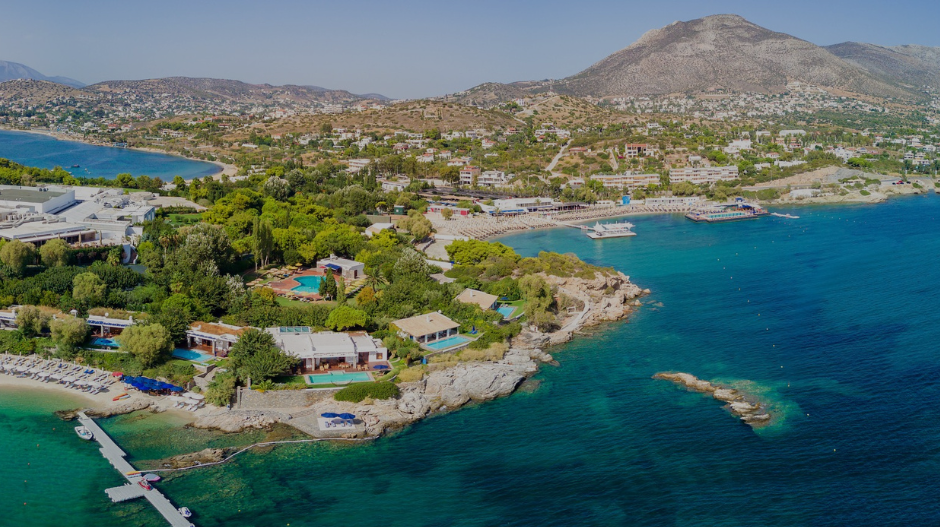
Athens remains attractive for families wanting access to international schools, healthcare, transport and a year-round urban environment. The Athens Riviera, including areas such as Glyfada, Voula and Vouliagmeni, is particularly relevant to higher-budget buyers looking for a combination of lifestyle and property appeal.
Thessaloniki offers another urban option, while Crete attracts buyers looking for a more relaxed setting with established infrastructure and year-round communities.
Current market commentary continues to identify Athens, Thessaloniki, Crete and prime coastal areas as important markets for international buyers.
Michelle Parry, Latitude’s Global Head of Property, says:
“Greece gives investors an unusually broad choice of lifestyle after approval. Someone who wants an urban family base may look towards Athens or Thessaloniki, while buyers looking for a coastal lifestyle may be drawn to the Athens Riviera or Crete. The right property is increasingly about how the family intends to use Greece, not just where they can meet the investment requirement.”
Latitude also maintains a selection of international real estate opportunities for investors considering property in residence-program jurisdictions, which can be viewed here.
Portugal: Residence Without a Property Investment
In the Malta vs Greece vs Portugal comparison, Portugal’s Golden Visa has evolved considerably since its launch.
Since real estate was removed as a qualifying investment route, the current structure remains a residence permit linked to qualifying investments rather than a property-purchase program.
For residence holders, the current rules require a minimum stay of seven days during the first year, and fourteen days during each subsequent two-year period. This creates a different post-approval experience from a family that has committed to a qualifying property in Malta or Greece.
What to do next in Portugal
For a new Portuguese residence holder, the next steps can include:
- Complete the residence card process and keep track of its validity
- Record the minimum physical presence requirements
- Maintain the qualifying investment and its supporting documentation
- Decide if renting or purchasing a separate family home in Portugal is viable
- If planning to relocate, begin looking at schools, healthcare, and the areas that fit the family’s daily needs
The ability to obtain residence without purchasing qualifying real estate can give families more flexibility. An investor may initially rent while deciding whether Portugal is the right long-term home, while a family may maintain its existing home elsewhere and use Portugal as a European base.
Post Approval: What All Three Programs Have in Common
While the details differ, there are several practical tasks that most successful applicants should address once their residence has been approved.
1. Get the Residence Documentation in Order
Check that every eligible family member has the appropriate documentation and note when residence cards need to be renewed.
Keep digital and physical copies of key documents, including residence cards, passports, insurance policies, property documents, and investment records.
2. Decide Where the Family will Actually Live
Approval does not automatically mean relocation.
Families should decide whether they are:
- Moving permanently;
- Spending part of the year in the country;
- Maintaining a second home; or
- Keeping the residence primarily as a long-term mobility option.
That decision can determine everything from accommodation to schooling and tax planning.
3. Arrange Accommodation
For Malta and Greece, the qualifying property may already provide the family’s accommodation. Portugal is different, as the Golden Visa is no longer based on property investment.
In all three countries, however, families should think about the distinction between qualifying accommodation and suitable family accommodation. For example, a property that satisfies an immigration requirement might not necessarily be the best place for a family to live for five or ten years.
4. Plan Education
For families with children, schooling can become one of the biggest post-approval decisions.
Parents may need to consider international versus local schools, curriculum, language, commuting distance and whether the family expects to remain in the country long enough for the children to complete a meaningful part of their education there.
This is also one reason why families may choose to secure residence before moving; it gives them time to investigate schools and communities rather than making the relocation decision under pressure.
5. Review Healthcare and Insurance
Applicants should understand what insurance is required under their particular program, and what healthcare arrangements make sense if they actually relocate.
This can be especially important for families with children, older dependents, or existing international healthcare arrangements.
6. Keep the Investment Compliant
This is particularly important where the residence permit depends on maintaining an investment.
Do not sell, transfer, or materially alter the qualifying investment without first checking the immigration consequences.
7. Review Tax Residence Separately
Receiving a residence permit does not automatically make an individual a tax resident.
If the family begins spending substantially more time in the country, moves its main home, changes employment arrangements, or relocates its business interests, the tax implications should be reviewed separately.
The First 12 Months: A Practical Checklist
For investors, the first year after approval can be approached in three stages, as outlined below.
- The First few months: Complete residence cards, organize insurance and documentation, confirm the qualifying investment or property, and decide how the residence will initially be used.
- Six-month point: If relocation is being considered, review schools, accommodation, healthcare, banking and local professional services. If the residence is being maintained as a second base, check that the family’s travel and property arrangements are working in practice.
- Before the first renewal or compliance deadline: Review residence-card dates, physical-presence records where relevant, investment documentation, insurance, and any changes in family circumstances.
This type of forward planning can save you money and time in the long run.
Residence Is the Beginning of the Next Decision
Malta, Greece and Portugal can all provide European residence, but the experience after approval can be very different.
Malta may appeal to families looking for permanent residence and a long-term European base, with qualifying property forming part of the program structure.
Greece can combine permanent residence with a real estate investment, giving applicants a particularly direct connection between the residence strategy and the property they own.
While Portugal offers a different model, where the qualifying investment is separate from the family’s accommodation, the relatively limited minimum-stay requirements can provide flexibility for internationally mobile families.
The practical question after approval is straightforward: how will I actually use the residence?
Whichever route is chosen, keeping the immigration status, investment, property, family and tax planning aligned will help ensure that the residence remains useful long after the original approval.
Related Reading
- Mistakes to Avoid When Relocating to Malta
- What Is It Really Like to Live in Malta as an International Family?
- An Exclusive Webinar: Greece vs Portugal
- Can You Use Your 401(k) or IRA for the Portugal Golden Visa?
Frequently Asked Questions
What happens after a residence by investment application is approved?
The next steps depend on the country and program, but can include completing biometric procedures, receiving residence documentation, arranging qualifying accommodation or insurance, completing family applications, and meeting any remaining program requirements.
Do I have to move after receiving residence?
Not necessarily. Some residence programs have relatively limited physical presence requirements, while others can involve more substantial residence obligations depending on the status being maintained or the long-term objective.
Can my family move with me?
Many residence programs allow eligible family members to obtain residence alongside the main applicant. The precise definition of eligible family members and the process for including them varies by country.
Does residence make me tax resident?
Not automatically. Immigration residence and tax residence are separate matters, and tax residence depends on the applicable rules and an individual’s circumstances.
Do I have to maintain my investment after approval?
This depends on the program. Portugal requires continued maintenance of the qualifying investment while the investor relies on that investment as the basis of the permit. Malta and Greece also have ongoing requirements connected to the qualifying property or other conditions of their respective programs.
Can I rent a property after receiving residence?
This depends on the residence program and the investment structure. In some cases, qualifying accommodation forms part of the residence requirements; in others, the residence investment and the family’s actual home can be separate considerations.
Can residence eventually lead to permanent residence or citizenship?
Some residence programs may create a pathway to permanent residence or citizenship, but these outcomes are not automatic. Additional requirements can include physical presence, language, integration, tax compliance, good character and other statutory conditions.