 Back to News
 Jump to other articles:
- IN THE MEDIA: Latitude Features In BlockTelegraph
- Living in Argentina: What International Families Should Know
- Expert Opinion: Where Family Offices Meet Migration Law – Malta’s Residency-Led Value Proposition
- IN THE MEDIA: Latitude Features In BusinessDay
- An Exclusive Webinar: Greece vs Portugal – Funds, Property, and Contributions Compared
Special Designated Areas in Malta: What International Buyers Need to Know
Share:



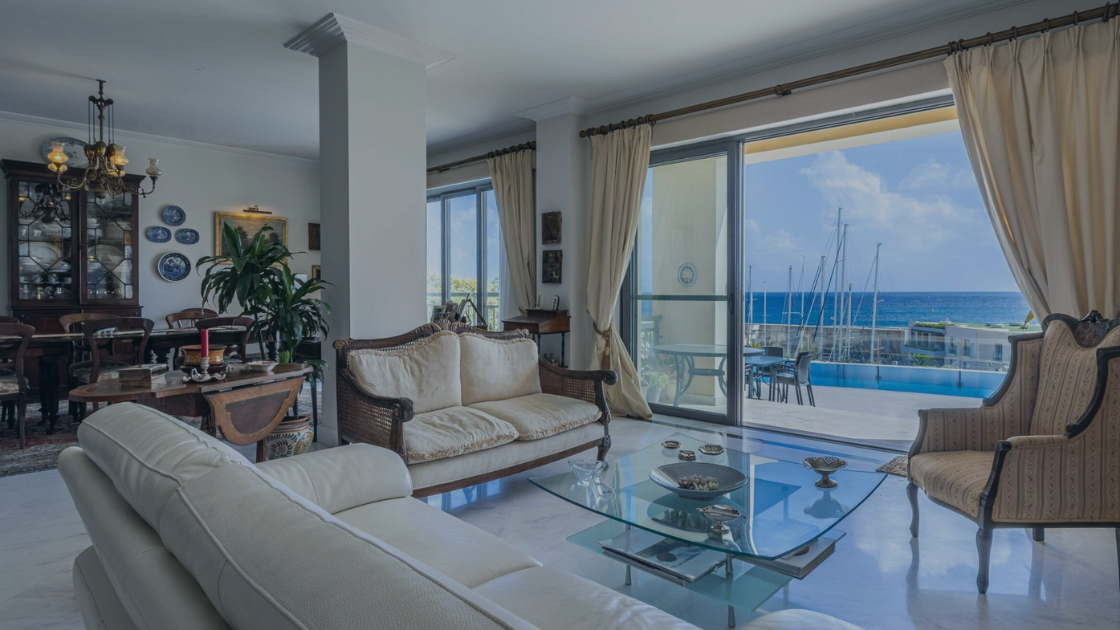
Malta’s property market is widely regarded as one of the more accessible in Europe for international buyers. Within this landscape, Special Designated Areas (SDAs) represent a distinct category of developments that play a particularly important role for non-EU purchasers.
While Malta offers multiple routes to property ownership, SDAs are often the most straightforward option for internationally mobile individuals seeking a streamlined acquisition process in established, high-quality developments.
Understanding how SDAs function, and how they differ from the broader property market, is key to evaluating their role within a wider property or mobility strategy.
What Are Special Designated Areas?
Special Designated Areas are specific government-approved developments in Malta where foreign nationals may acquire property without the usual AIP permit restrictions.
Unlike standard property transactions, where non-EU buyers may be subject to additional requirements, SDAs operate under a different framework designed to facilitate international investment.
These developments are typically:
- Located in prime or highly desirable areas
- Built to modern specifications with integrated amenities
- Designed to appeal to both local and international residents
As a result, SDAs occupy a distinct segment of the Maltese property market, combining accessibility with high-quality residential environments.
Why Are SDAs Relevant for International Buyers?
One of the defining features of SDAs is that they remove certain regulatory steps that would otherwise apply to foreign buyers.
No AIP Permit Requirement
In most cases, non-EU nationals purchasing property in Malta must obtain an Acquisition of Immovable Property (AIP) permit.
Within SDAs, this requirement does not apply.
This distinction simplifies the purchasing process and reduces administrative timelines, making SDAs particularly attractive for buyers seeking efficiency and clarity.
Flexibility in Ownership
Another notable feature is the flexibility these developments offer.
Buyers are not limited to purchasing a single property within an SDA. Multiple properties may be acquired, unlike the standard AIP framework, which generally limits non-EU nationals purchasing outside SDAs to a single property.
This creates greater flexibility for individuals who may wish to:
- Hold multiple residential assets
- Combine personal use with rental arrangements
- Structure property ownership across different units
Streamlined Purchase Process
Because SDAs operate within a defined regulatory framework, the purchasing process is generally more straightforward.
While standard due diligence and legal checks still apply, the absence of AIP requirements removes one layer of complexity, allowing transactions to proceed quickly and more efficiently.
Where Are SDAs Located?
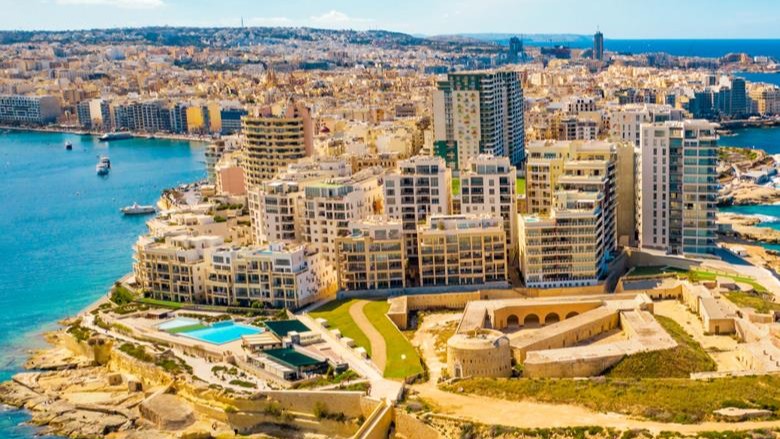
Special Designated Areas are typically positioned in some of Malta’s most established and internationally oriented locations.
Examples include:
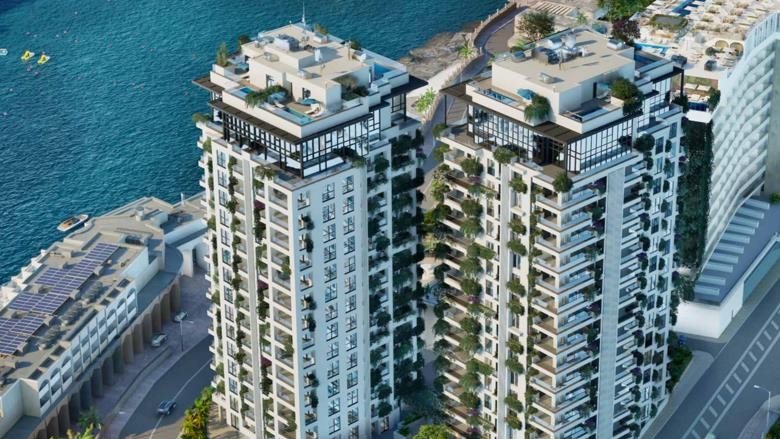
- Portomaso (St. Julian’s) – A marina-based development with residential, retail, and hospitality components
- Tigné Point (Sliema) – A large-scale coastal development combining apartments, shopping, and open spaces
- Fort Cambridge (Sliema) – A seafront residential complex with direct access to amenities
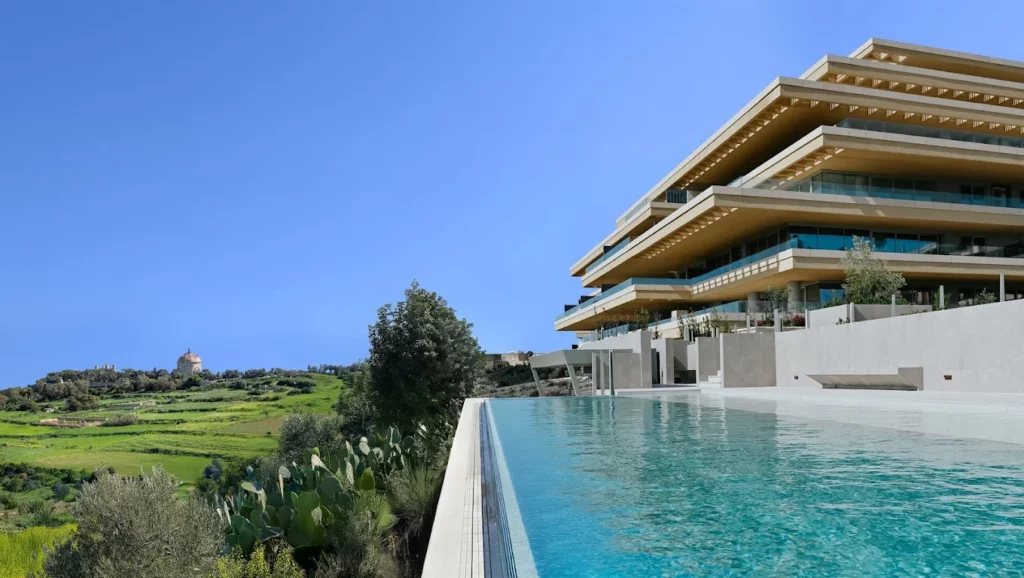
- Verdala Terraces (Rabat) – A condominium complex in inland Malta, serving as a gateway to the culturally rich communities of Rabat and Mdina
These locations are generally characterized by:
- Proximity to the coast or central business areas
- Access to restaurants, retail, and services
- Modern infrastructure and managed environments
One practical point often missed by overseas buyers is that SDA status is development-specific, so two nearby properties in the same locality may be treated differently depending on whether the exact block or unit falls within the approved SDA boundary.
For many buyers, this combination of location and convenience is a central part of the appeal.
Property Types and Market Positioning
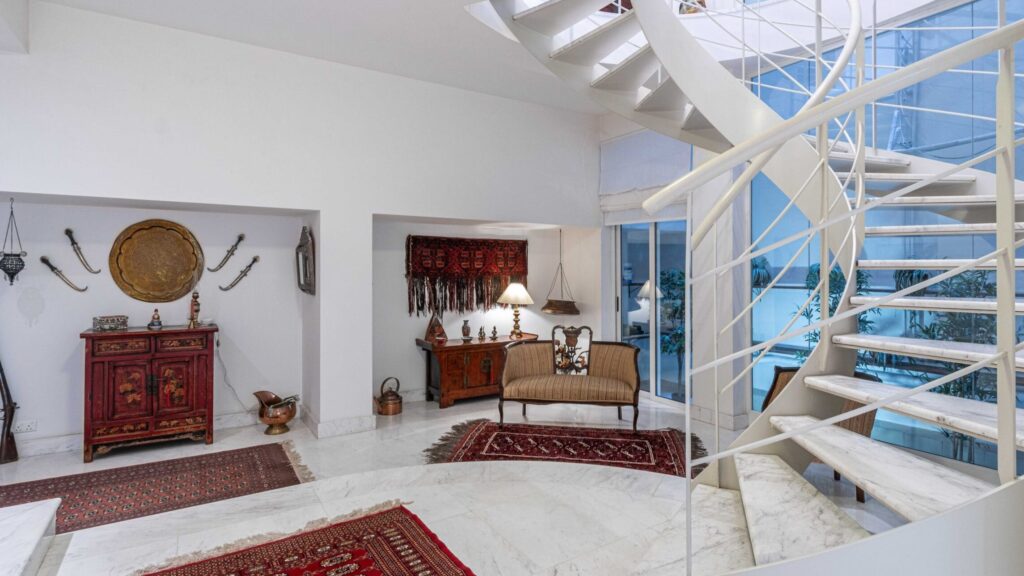
Properties within SDAs are predominantly modern apartments, often within managed buildings or complexes.
They typically include:
- Contemporary layouts and finishes
- Shared amenities such as pools, gyms, and concierge services
- Underground parking and security features
From a market perspective, SDA properties are often positioned at the higher end of the price spectrum, reflecting both their location and the advantages they offer to international buyers.
Rental Demand and Liquidity
SDA properties tend to benefit from consistent rental demand, particularly in areas such as Sliema and St. Julian’s.
This demand is supported by:
- A strong expatriate population
- International companies operating in Malta
- Demand for well-located, high-quality rental accommodation
While rental outcomes depend on a range of factors, including property type and market conditions, SDA locations are generally among the most active segments of Malta’s rental market.
A further practical advantage is that SDA properties may offer greater flexibility for buyers considering rental use, as they are not subject to the same ownership limitations that can apply to non-SDA acquisitions by non-EU nationals. This can make them particularly relevant for buyers who want the option to combine personal use, long-term holding, and rental income within the same property strategy.
From a liquidity perspective, their accessibility to international buyers can also contribute to resale flexibility over time.
How SDAs Fit Within the Broader Market
While SDAs offer a simplified route to property ownership, they represent just one part of Malta’s overall real estate landscape.
Outside of SDAs, buyers can access a wider range of property types, including:
- Townhouses
- Villas
- Traditional properties
- Rural homes
These options may offer different pricing dynamics and lifestyle characteristics, but may also involve additional regulatory steps for non-EU buyers.
As such, the choice between SDA and non-SDA property is often less about which is ‘better’ and more about which aligns with the buyer’s priorities.
A Practical Option Within a Broader Strategy
For many internationally mobile buyers, SDAs serve as a practical entry point into the Maltese property market.
They offer:
- A clear and efficient acquisition process
- Access to well-established developments
- Flexibility in ownership and use
At the same time, they are best understood as one component within a broader decision-making process, which may also include considerations around lifestyle, long-term planning, and how property ownership fits within wider international objectives.
At Latitude, we assist clients in navigating Malta’s property market, including evaluating the role of Special Designated Areas within their broader plans. This includes guidance on location selection, transaction structure, and how property ownership aligns with long-term mobility and lifestyle strategies.
To learn more about property ownership in Malta, read our How To article here, or get in touch with us.
To read our article Malta Property Hotspots: Where International Buyers are Focusing, click here.