 Back to News
 Jump to other articles:
- Key Takeaways from Latitude’s Spring U.S. Event Series on Global Mobility
- Moving Money Across Borders: Why FX Strategy Matters
- An Exclusive Webinar: Securing EU Residency Through Real Estate in Greece
- Portugal Golden Visa: What the 2026 Presidential Election and Legal Changes Really Mean
- Residency vs Citizenship: How Globally Mobile Families Think About Plan B Today
Athens Property Hotspots: Where International Buyers Are Focusing
Share:



Greece has increasingly attracted attention from internationally minded property buyers in recent years. Supported by strong tourism, infrastructure development, and growing global visibility, the country has emerged as one of Europe’s most closely watched real estate markets.
In fact, Athens now appears in the Knight Frank Prime International Residential Index (PIRI) as one of the world’s top-performing prime property markets.
This performance is supported by broader market fundamentals. Greece has now recorded several consecutive years of residential property growth, alongside a sharp increase in real estate investment activity. Foreign direct investment into Greek real estate reached approximately €2.75 billion in 2024. This represents a near 29% year-on-year increase and reflecting sustained international interest in the market.
Over the past decade, rising foreign investment, urban regeneration, and renewed economic stability have reshaped how Greece, in particular Athens, is viewed within the European property landscape.
What was once considered an opportunistic entry point has increasingly become a market evaluated through a longer-term strategic lens. This has been supported by consistent price appreciation, expanding development pipelines, and rising institutional and private investment.
Athens, however, is not a single, uniform market. Instead, it is a city of distinct micro-locations, each shaped by different economic drivers, lifestyle dynamics, and development patterns.
For internationally minded buyers, understanding how these local markets differ can often be as important as understanding the broader trajectory of Greek real estate.
Below are several areas that have drawn particular attention in recent years as Athens’ property landscape continues to evolve.
The Athens Riviera: Coastal Living and Large-Scale Regeneration
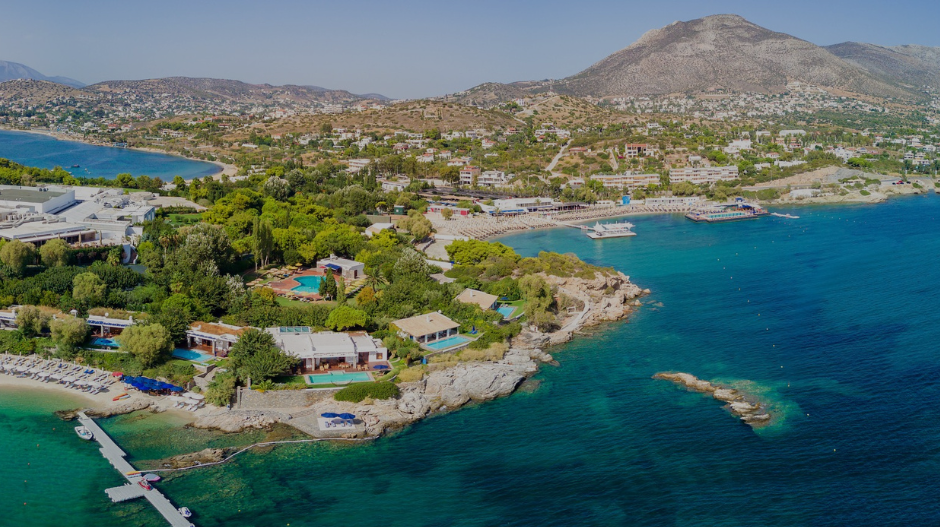
Stretching from Piraeus toward the Saronic Gulf, the Athens Riviera has become one of the most closely watched coastal property markets in Southern Europe.
Key areas along the Riviera include Alimos, Palaio Faliro, Elliniko, Glyfada, and Vouliagmeni. Each offers a slightly different blend of residential character, marina access, and proximity to central Athens.
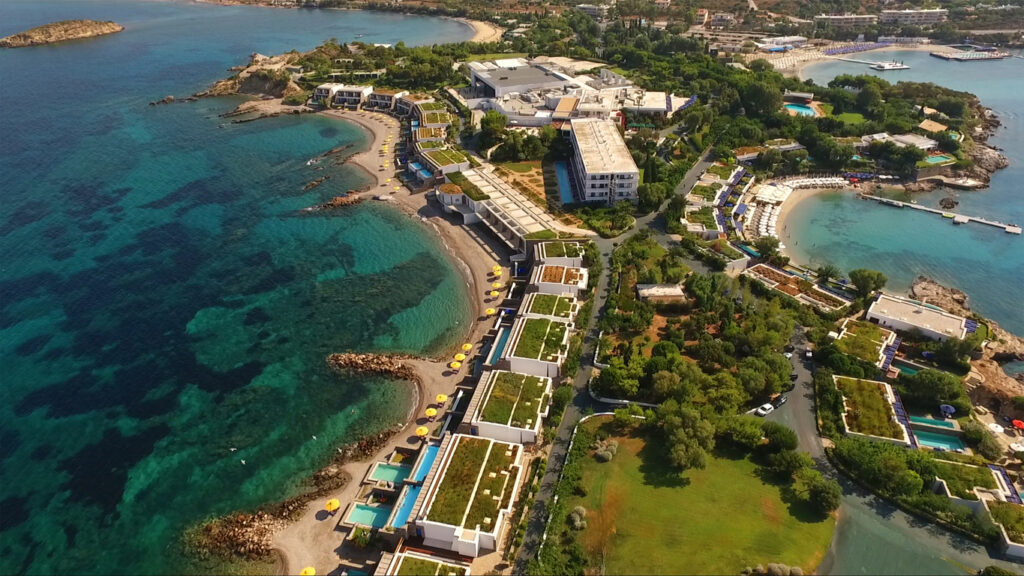
Glyfada has developed into a vibrant commercial and luxury lifestyle hub. Meanwhile, Vouliagmeni hosts internationally recognized hospitality brands such as the Four Seasons Astir Palace Resort. The One&Only Aesthesis resort in Glyfada further reflects the growing international profile of the Riviera.
Neighborhoods such as Glyfada, Vouliagmeni, and Voula offer proximity to central Athens with access to beaches, marinas, and an increasingly luxurious international lifestyle environment.
Nearby, is the Ellinikon redevelopment project. This involves transforming the site of Athens’ former international airport into a major smart-city style coastal district. It is expected to introduce extensive residential, hospitality, and commercial infrastructure over the coming decade.
Projects of this scale tend to attract global attention and can influence surrounding property markets.
For some buyers, the Riviera represents an opportunity to combine coastal living with access to a major European capital. For others, it reflects a broader shift toward lifestyle-driven property ownership.
While development activity and infrastructure improvements continue along the coastline, the Riviera increasingly occupies a distinct position within Athens’ real estate geography.
Central Athens: Historic Districts and Urban Demand
While the Riviera offers coastal living, central Athens remains the cultural and historic heart of the city. It continues to attract consistent interest from international buyers.
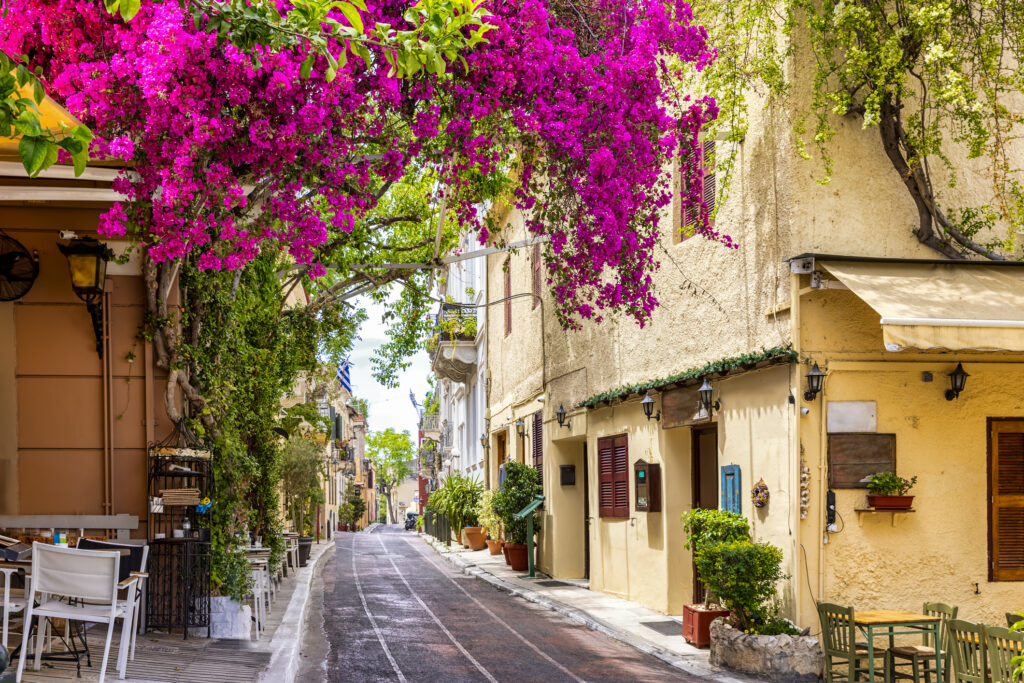
Neighborhoods such as Kolonaki, Plaka and Koukaki are frequently discussed within the international property conversation. These districts offer walkable access to landmarks such as the Acropolis, the Acropolis Museum, and many of the capital’s most established cultural institutions.
Kallithea, located between central Athens and the coast, has drawn particular attention due to major cultural and urban projects. The district is home to the Stavros Niarchos Foundation Cultural Center, one of the most significant cultural developments in Greece in recent decades. It also features the Aeneon Metropolitan Project, which is expected to further reshape the area’s urban landscape.
In recent years, parts of central Athens have also benefited from building renovations and the gradual restoration of older properties. The combination of historic architecture, vibrant urban life, and proximity to cultural landmarks has contributed to continued demand.
For many buyers, the appeal of these districts lies in their ability to offer a city center lifestyle within a European capital that remains comparatively accessible when compared with other major Mediterranean cities.
As tourism, remote work trends, and international mobility continue to shape how people use property across Europe, central Athens has maintained a visible position within the broader real estate conversation.
Athens is also home to several well-established international schools. This includes the International School of Athens, St Catherine’s British School, St Lawrence, and the American Community Schools, which contribute to the city’s growing appeal for internationally mobile families.
Piraeus: Commercial Hub and Emerging Residential Interest
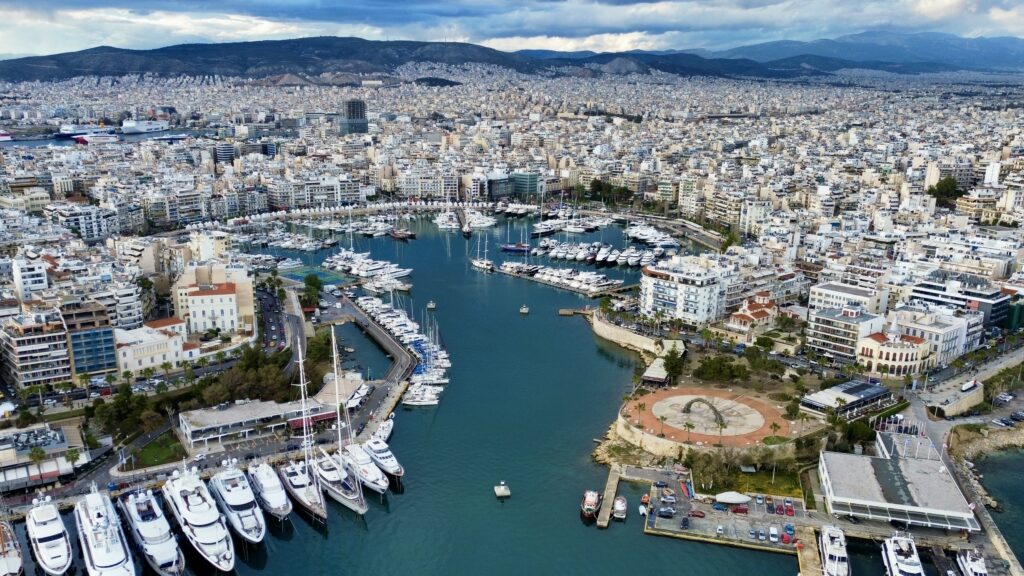
Piraeus, the historic port city of Athens, has increasingly attracted attention from both domestic and international buyers. As Greece’s largest port and a major commercial hub, the district plays an important role in the country’s shipping and logistics economy.
In recent years, parts of Piraeus have recorded some of the strongest property value appreciation in the wider Athens area. Certain submarkets experienced price growth exceeding 20%, alongside increasing rental demand driven by ongoing regeneration and proximity to key transport and commercial hubs.
While some parts of Piraeus retain an industrial character, other neighborhoods offer attractive residential pockets, particularly those located near universities and waterfront areas.
Emerging Districts: Regeneration and Changing Urban Dynamics
Beyond Athens’ most established neighborhoods, several districts have begun attracting attention as the city’s urban landscape evolves.
Areas such as Omonia, Exarchia, and Pangrati have experienced varying degrees of regeneration activity in recent years. These districts often combine historic building stock with changing demographic patterns, creative communities, and new hospitality or cultural venues.
Urban neighborhoods that undergo periods of renewal often draw interest from both local residents and international buyers seeking exposure to areas earlier in their development cycle. As infrastructure improves and commercial activity increases, these locations sometimes experience shifts in perception that gradually reshape their property markets.
While the trajectory of any individual district can vary, the broader pattern reflects a common feature of large cities: different neighborhoods evolve at different speeds, creating a diverse range of urban environments within a relatively compact metropolitan area.
Rental-Driven Districts Near Universities
Athens is also home to several major universities and academic institutions, which influence housing demand in certain parts of the city.
Neighborhoods such as Piraeus, Kallithea, and Ambelokipi are located near large educational campuses and have traditionally attracted student populations and young professionals. In many cities, districts close to universities develop rental markets shaped by consistent academic cycles.
These areas tend to be characterized by a high concentration of smaller apartments and residential buildings that serve long-term tenants. As Athens continues to attract international students and younger residents, demand in these districts has remained relatively steady.
Rental markets across Athens have also shown upward momentum. Average rental prices increased by approximately 7.6% in 2024, reflecting both local demand and continued international interest in the city.
For observers of the Athens property market, university districts often illustrate how demographics and institutions can shape local housing dynamics in ways that differ from lifestyle or tourism-driven areas.
Northern Athens: Established Residential and Business Districts
Northern suburbs such as Chalandri, Kifissia and Maroussi are regarded among Athens’ most established and affluent residential and commercial districts. Several multinational companies and corporate offices are based in this area, contributing to steady residential demand in surrounding neighborhoods.
These areas combine business activity with well-developed residential communities, offering a mix of offices, retail, restaurants, and residential buildings. For many residents, proximity to employment centers, international schools, and transport links makes these suburbs particularly attractive.
As Athens continues to develop economically and improve its infrastructure, established districts such as Chalandri and Maroussi remain important anchors within the broader metropolitan property landscape.
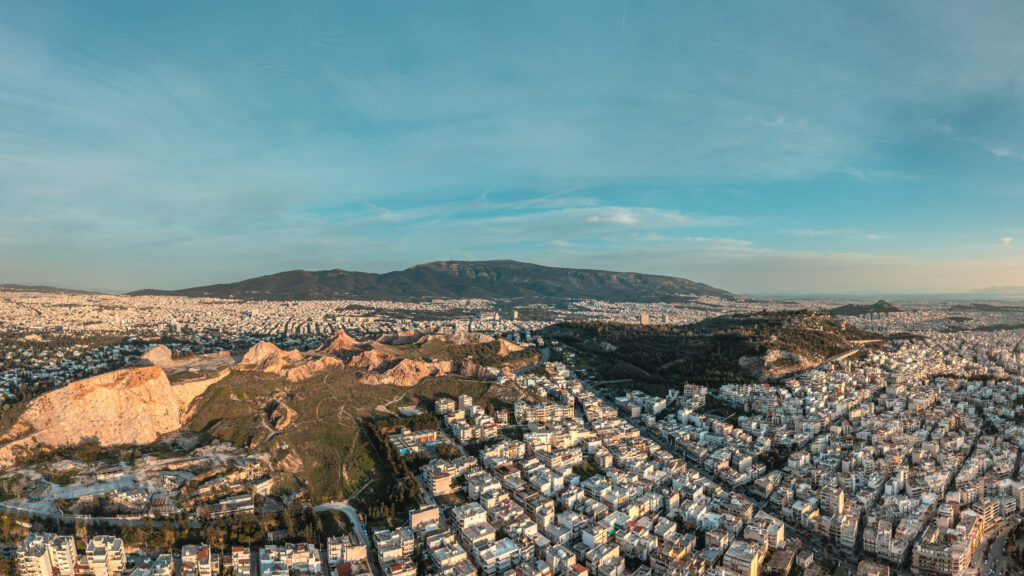
Conversion Properties and Golden Visa Opportunities
One distinctive feature of the Greek property market in recent years has been the rise of conversion projects. This is when former commercial buildings are redeveloped into residential apartments.
Many of these projects fall within the €250,000 investment threshold applicable to certain Golden Visa property categories. This has made them particularly visible among internationally mobile buyers exploring Residence by Investment pathways.
A City Defined by Micro-Markets
Athens today presents a real estate landscape that is both diverse and evolving.
From coastal districts along the Riviera to historic central neighborhoods and emerging regeneration areas, the city offers a wide range of environments shaped by different economic and social forces.
For internationally minded buyers, this diversity means Athens is rarely approached as a single property market. Instead, it is often viewed as a collection of distinct micro-markets, each offering its own combination of lifestyle appeal, accessibility, and development potential.
As Greece continues its broader economic normalization and international awareness of Athens grows, the city’s neighborhood dynamics are likely to remain an important factor in shaping how buyers approach the market.
At Latitude, we assist internationally mobile clients in navigating the complexities of purchasing property across jurisdictions. This includes guidance on location selection, developer due diligence, rental guarantee structures, associated transaction costs, and how property decisions may align with broader international planning strategies.
Our role is not to promote specific investments, but to help clients understand how property ownership can fit within wider lifestyle, mobility, and long-term planning considerations.
To learn more about Greece Residence by Investment, get in touch with us. You can also download a complementary Greece Golden Visa program guide.