 Back to News
 Jump to other articles:
- Naoero Citizenship by Investment: What Applicants Should Know
- What Is It Really Like to Live in Malta as an International Family?
- Can New Zealand Residence Lead to Citizenship?
- Panama Updates Its Qualified Investor Visa Under Executive Decree 17
- IN THE MEDIA: Latitude Features In Impact Wealth Magazine
Panama Property Hotspots: Where International Buyers Are Focusing
Share:



Panama has increasingly attracted attention from internationally mobile individuals exploring property ownership in the Americas. Positioned at the crossroads of North and South America and operating a U.S. dollar–based economy, the country has developed a reputation for financial stability, international connectivity, and an established expatriate community.
It is also widely regarded as one of the safest countries in Latin America, with a relatively low cost of living and strong accessibility to North America (including more than 45 direct flights from the United States each and every day).
Over the past two decades, Panama’s economic expansion, infrastructure development, and global trade links (anchored by the famous Panama Canal) have helped transform the country into one of Latin America’s most internationally integrated markets.
Within this context, the real estate landscape in Panama is not defined by a single property market. Instead, it is shaped by distinct regional hubs, each offering different lifestyle environments, development patterns, and buyer profiles.
From modern urban districts in Panama City to mountain communities and coastal resort areas, the country presents a diverse range of property environments that appeal to different types of internationally minded buyers.
Panama: A Hidden Gem
Compared to neighboring destinations such as Mexico or Costa Rica, Panama has historically taken a different economic path.
Rather than relying heavily on tourism, the country has built a more diversified economy, anchored by global trade, logistics, banking, and, of course, the Panama Canal.
As a result, Panama has not needed to position itself as aggressively as a lifestyle or tourism destination – a fact which has had an unintended consequence.
From a real estate perspective, Panama remains relatively underexposed on the global stage. This is particularly true when comparing the country to more heavily marketed markets across Latin America.
As such, Panama is often viewed as a “hidden gem” market – one where pricing has not yet fully converged with more widely recognized destinations, despite offering comparable (and in many cases superior) infrastructure, accessibility, and lifestyle conditions.
Panama City: A Modern Financial and Residential Hub
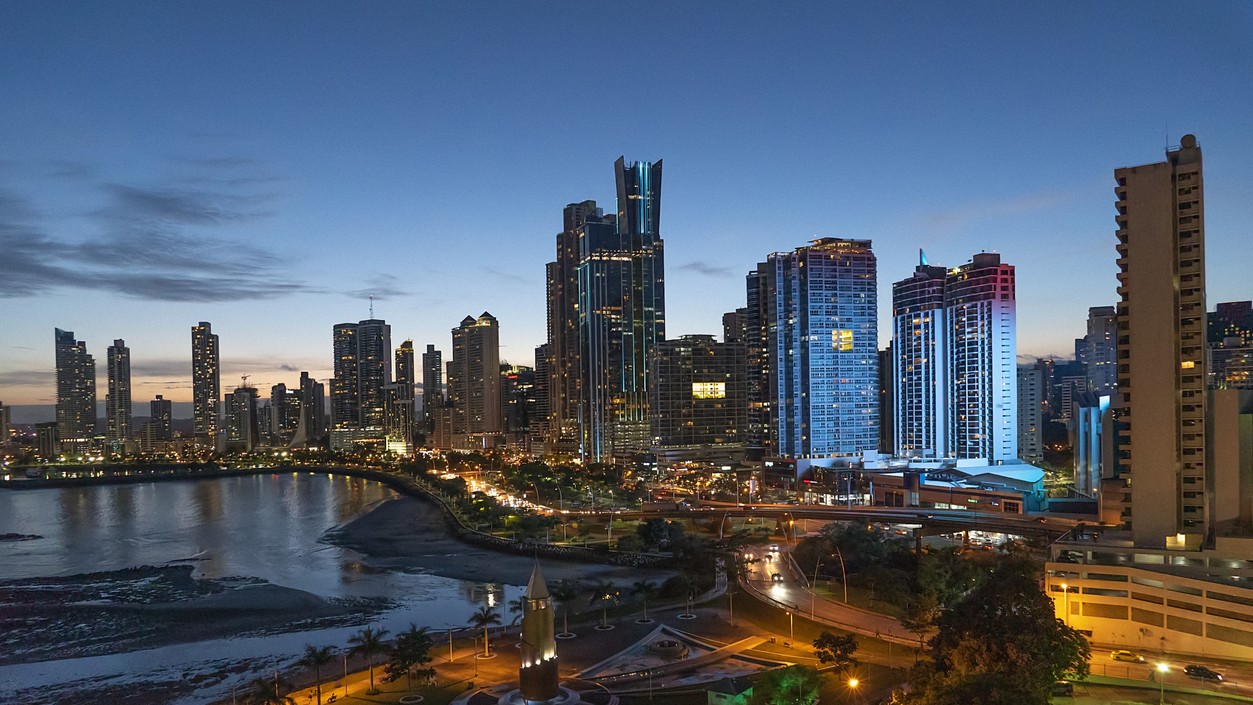
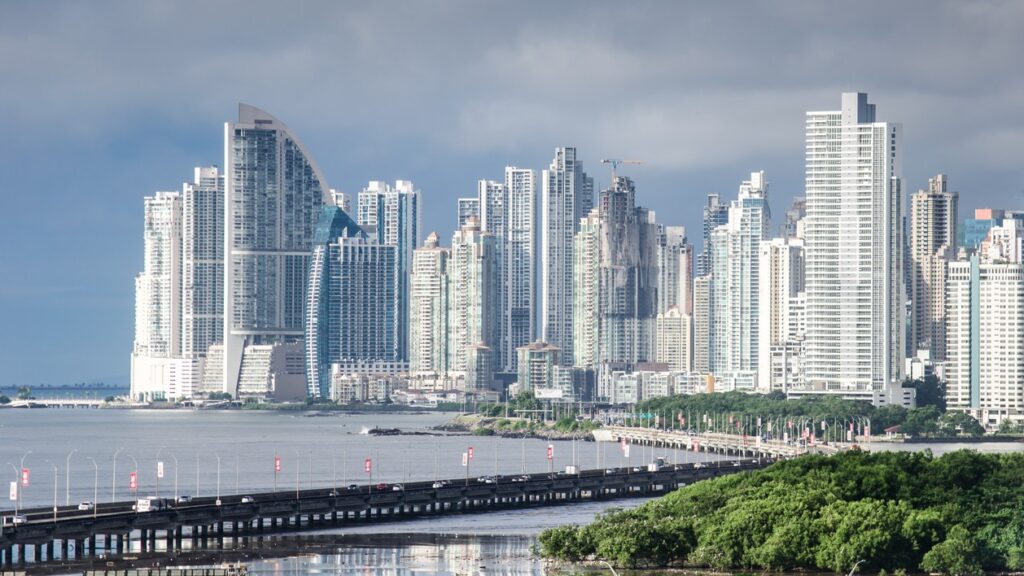
Panama City remains the country’s economic center and the focal point of much of its real estate activity. With a skyline that reflects decades of international investment, the city has developed into one of Latin America’s most prominent financial hubs.
Several districts have become particularly visible among international property buyers.
Costa del Este: Located east of the city center, Costa del Este has emerged as one of the most established residential and corporate districts. The area hosts multinational companies, international schools, and modern residential towers, creating a self-contained environment that appeals to both expatriate professionals and internationally minded families.
Santa María: Nearby, Santa María has developed as a master-planned residential community centered around golf courses and gated neighborhoods. The area has attracted attention to its large-scale residential developments and proximity to the city’s financial district.
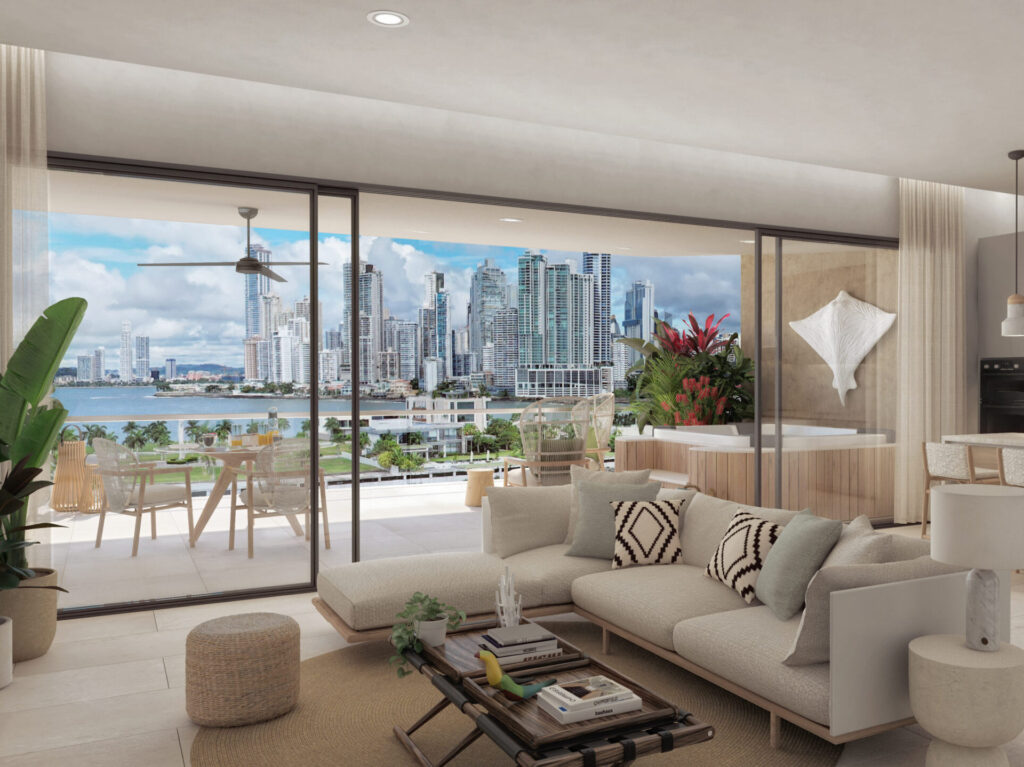
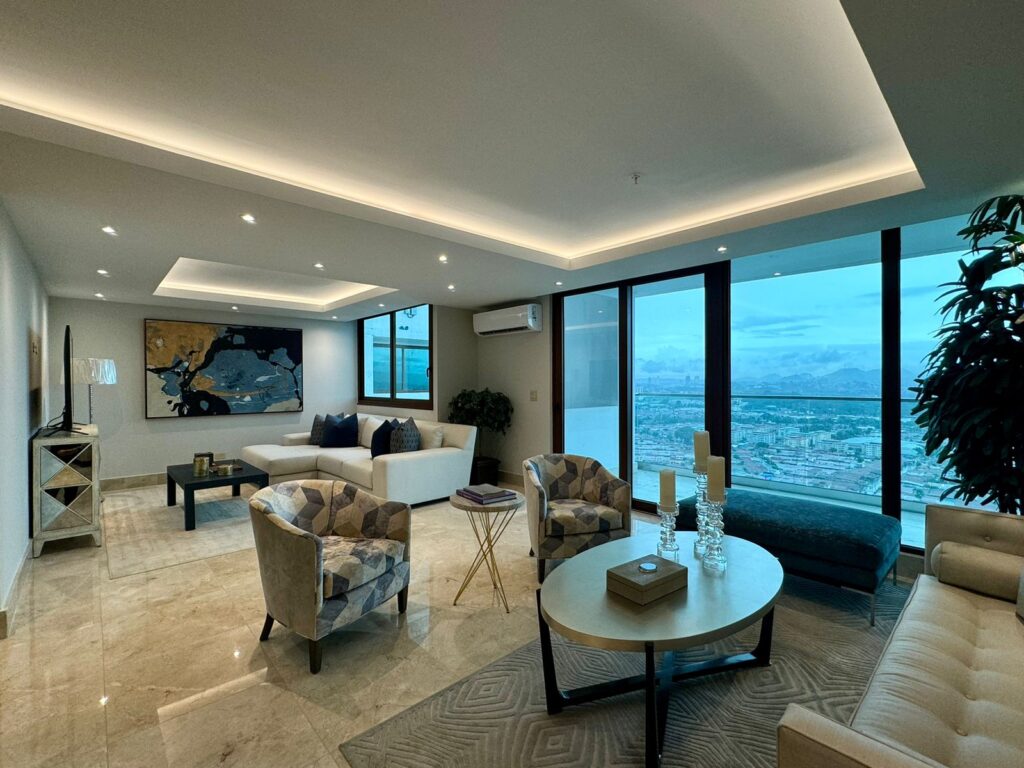
The Waterfront: Closer to the waterfront, districts such as Punta Pacífica and Avenida Balboa offer high-rise living with views of the Pacific Ocean and easy access to the city’s commercial core.
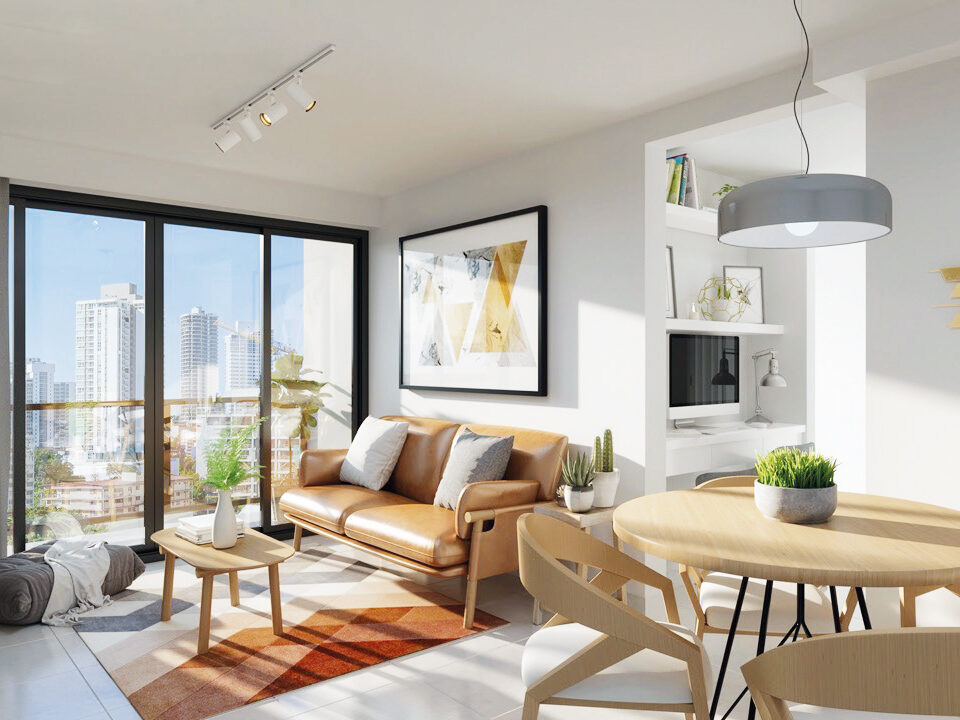
For many buyers, Panama City represents an opportunity to combine metropolitan living with access to a regional financial center within a country that offers both relative safety and a cost structure that remains competitive by international standards.
The Pacific Riviera: Where Lifestyle Demand is Evolving
Approximately one hour from Panama City, the Pacific coastline has long been associated with second homes and weekend retreats. However, buyer preferences in this region are evolving.
While Coronado remains one of the most established expat communities, its maturity and increasing density mean many buyers are now looking beyond it toward more curated, design-led developments.
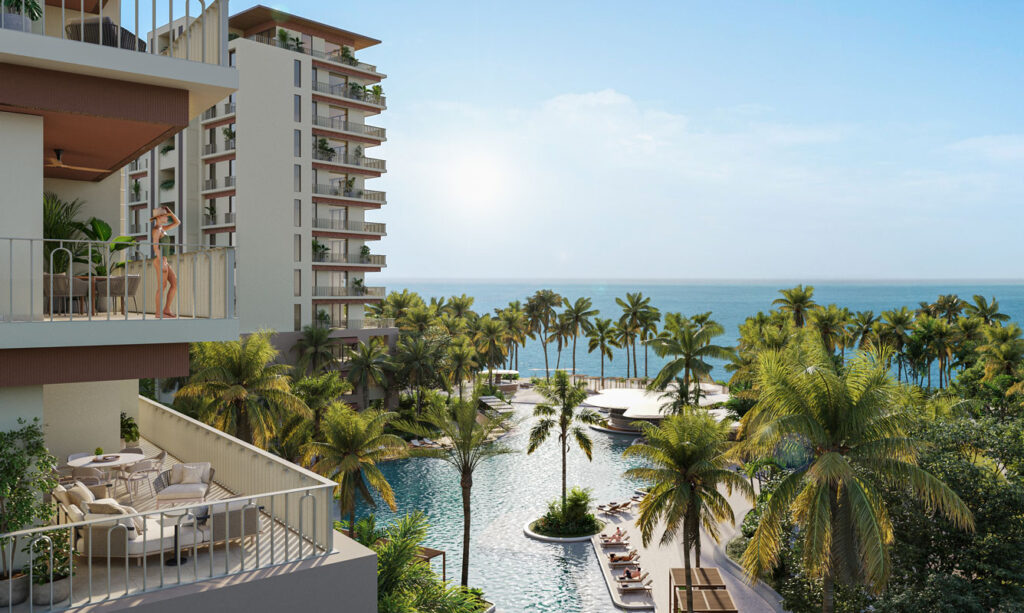
Attention has increasingly shifted toward locations such as Playa Caracol, CasaMar, and Buenaventura. These areas reflect a broader change in demand – away from purely functional second homes and toward integrated lifestyle communities offering:
- beachfront access
- resort-style amenities
- master-planned environments
- a stronger sense of privacy and design
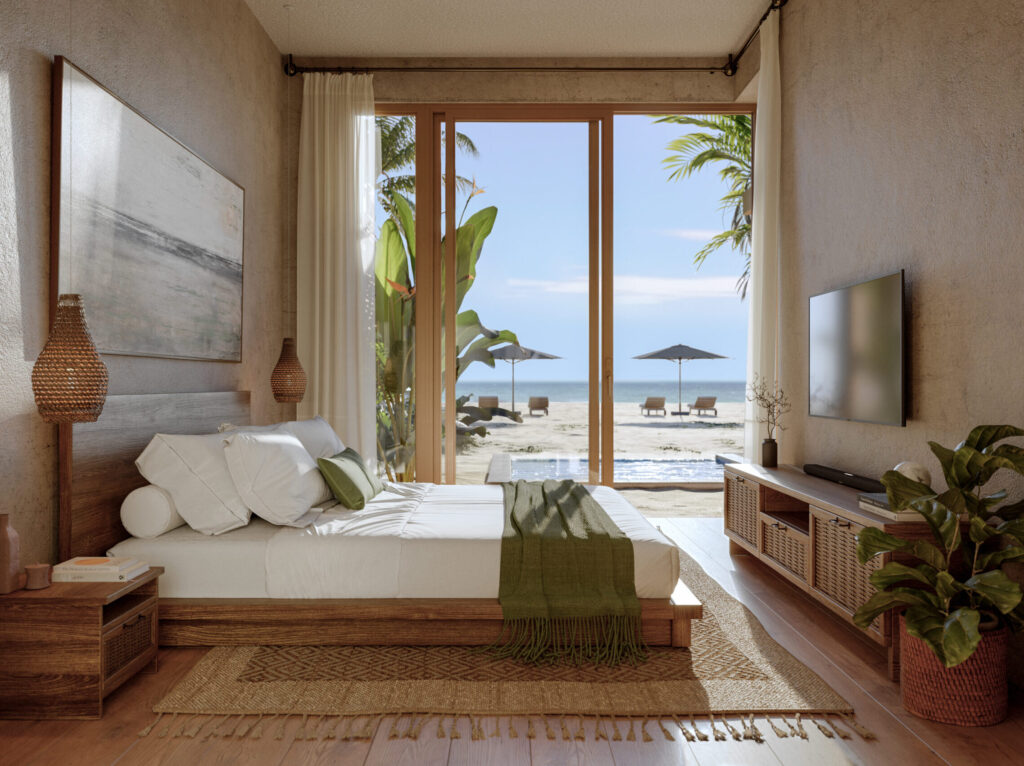
For many buyers, the appeal lies in combining coastal living with proximity to Panama City, maintaining access to international infrastructure while enjoying a more relaxed, resort-style setting.
This combination of accessibility, lifestyle, and relative value continues to drive interest, particularly among buyers seeking alternatives to more saturated coastal markets elsewhere in the region.
The Atlantic Coast: A More Secluded Coastal Experience
On Panama’s Atlantic side, the property market presents a very different character.
Developments such as Playa Escondida stand out as some of the more unique luxury offerings in the country. Compared to the Pacific coast, this region remains less developed, with a stronger emphasis on privacy, lush natural surroundings, and lower-density living.
For buyers seeking a more secluded and nature-driven coastal experience, the Atlantic side offers a distinct alternative to the more established Pacific Riviera.
Boquete: Highlands, Coffee Culture, and Experiential Living
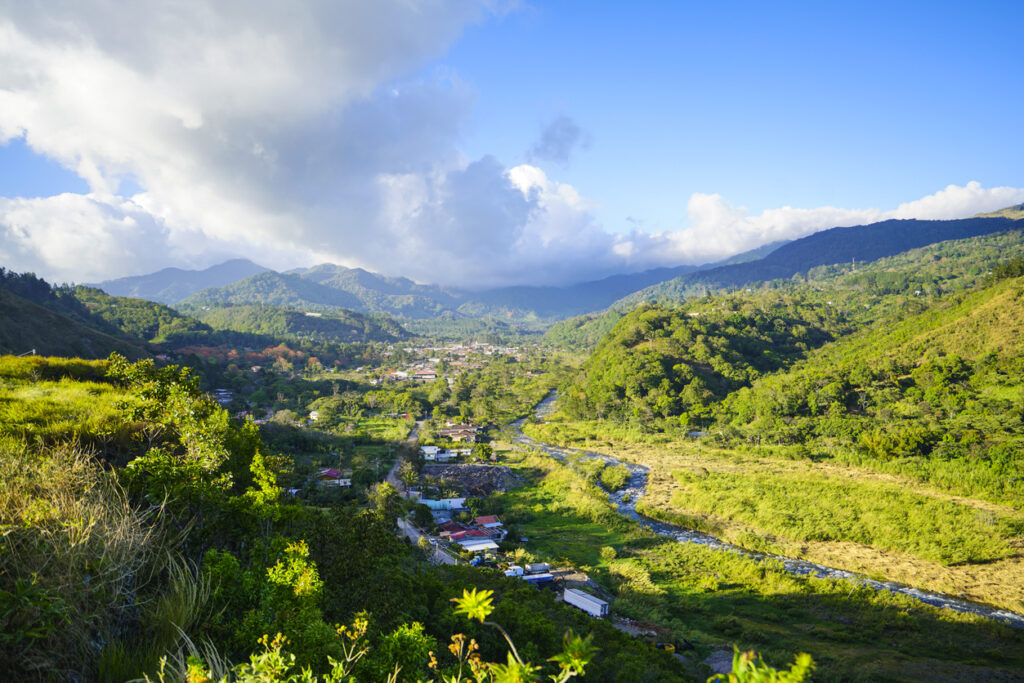
Located in the Chiriquí province near the Costa Rican border, Boquete offers a completely different lifestyle profile. Known for its cooler mountain climate, coffee plantations, and scenic landscapes, the region has long attracted international residents.
However, Boquete’s appeal today extends beyond its established expat community. It increasingly reflects a more experiential lifestyle, combining:
- access to renowned estates such as Lamastus Family Estates, known for Geisha coffee
- proximity to coastal destinations such as Boca Chica
- access to island experiences including Isla Palenque and Isla Secas
This ability to blend highland living with coastal and island access creates a unique lifestyle offering that is difficult to replicate elsewhere in the region.
El Valle de Antón: A Different Kind of Landscape
For those looking beyond both city and coastline, El Valle de Antón offers something entirely distinct.
Set within the crater of an extinct volcano, the area provides a cooler climate, lush greenery, and a slower pace of life.
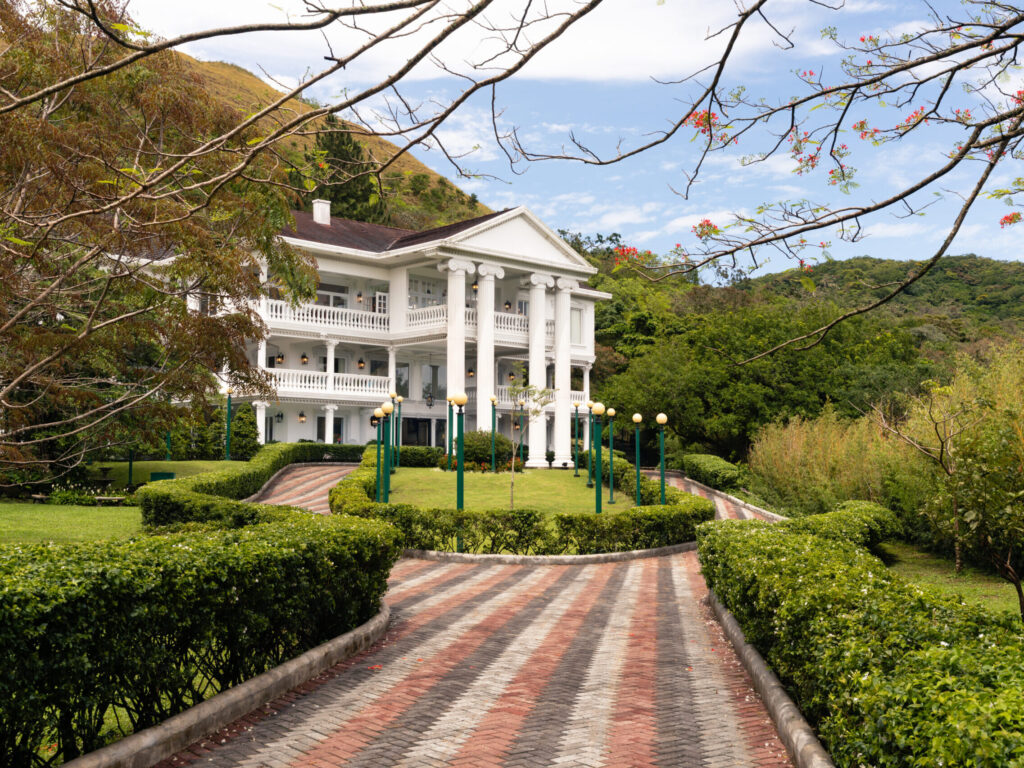
Boutique properties in this region tend to focus on:
- privacy
- nature integration
- smaller-scale, design-led living
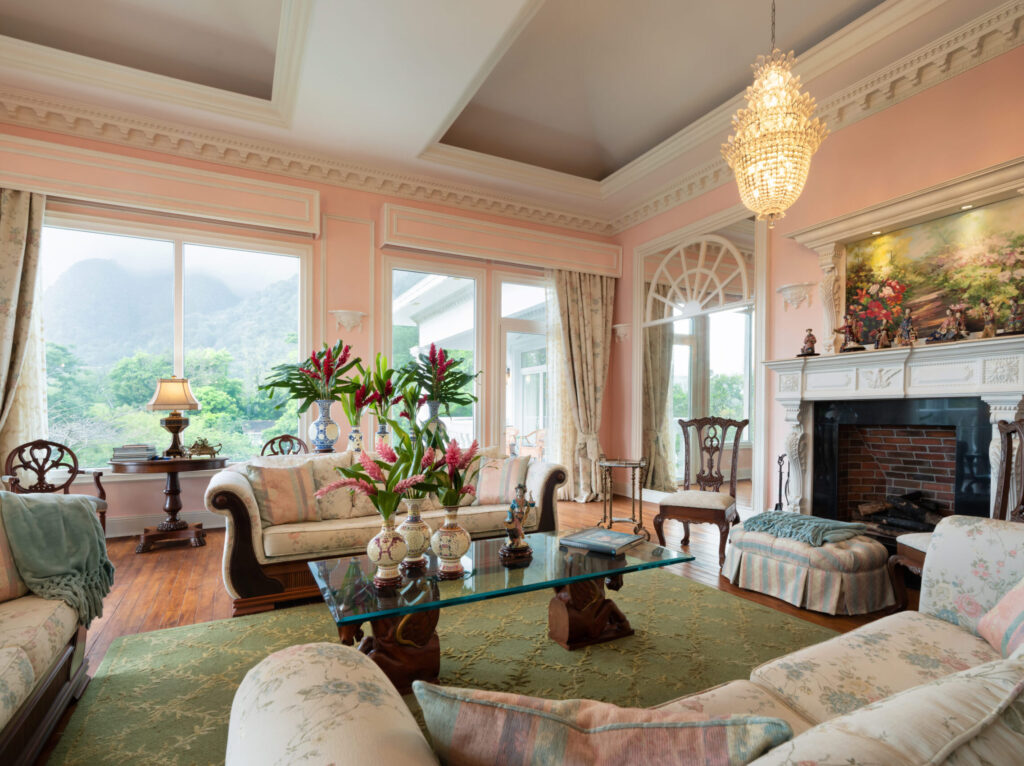
This makes El Valle particularly appealing to buyers seeking a more intimate, tranquil environment often described as a retreat-style lifestyle within easy reach of the capital.
Bocas del Toro: Caribbean Lifestyle and Experiential Properties
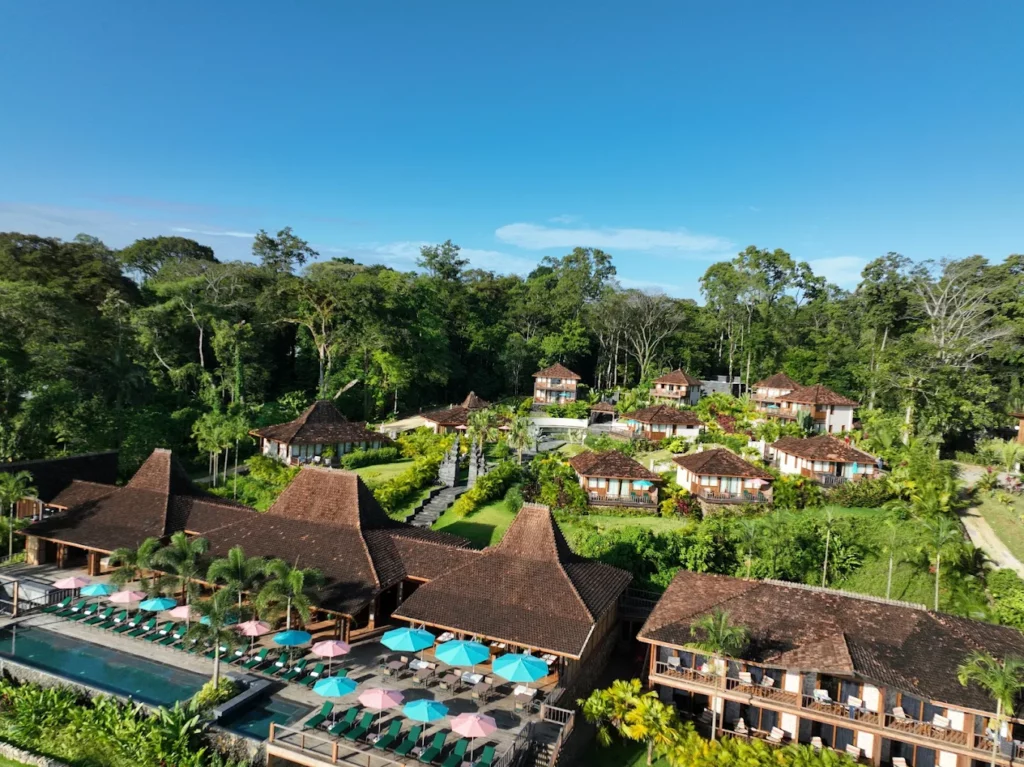
On Panama’s Caribbean side, Bocas del Toro represents one of the country’s most visually distinctive property environments.
The region’s tropical islands and tourism-driven economy have attracted interest from buyers seeking waterfront homes and boutique hospitality-style properties.
Developments such as La Coralina Island House illustrate a broader shift toward high-end, experiential offerings combining design, wellness, and location in a way that elevates Panama’s positioning beyond a traditional value market.
While infrastructure differs from Panama City, the region continues to attract those drawn to its Caribbean setting, lifestyle appeal, and long-term tourism potential.
Emerging Regions: The Azuero Peninsula
Beyond Panama’s most established destinations, regions such as the Azuero Peninsula have begun attracting attention.
Towns like Pedasí and Las Tablas offer a lower-density, culturally rich environment shaped by boutique tourism and local traditions.
In many markets, locations like these evolve gradually, moving from niche destinations into broader lifestyle markets as infrastructure develops and international awareness grows.
A Market Defined by Diversity and Opportunity
Panama’s real estate landscape reflects the country’s geographic diversity. Within a relatively compact territory, buyers can access:
- modern financial districts
- curated coastal communities
- highland retreats
- Caribbean island environments
At the same time, its position as a relatively under-the-radar market (combined with strong infrastructure, safety, and accessibility) continues to shape how it is being evaluated internationally.
Increasingly, buyers are not simply comparing Panama internally, but against other regional destinations. In that context, its combination of stability, value, and lifestyle flexibility stands out.
For internationally mobile individuals, these decisions are often considered alongside broader lifestyle, mobility, and long-term planning considerations.
For some buyers, this also extends to longer-term considerations around residency and citizenship.
Panama recognizes dual citizenship in practice. As part of the naturalization process, a formal declaration of renunciation is required; however, in many cases this does not affect the applicant’s original citizenship, depending on the laws of their home country.
At Latitude, we assist clients in navigating the complexities of purchasing property internationally, including understanding local markets, regulatory considerations, and how real estate decisions may align with wider global objectives.
For those exploring Panama as part of a broader international lifestyle or residency strategy, understanding the country’s regional property dynamics is often the first step.
To learn more about life and property in Panama, get in touch with us, or download a complementary Panama Qualified Investor Visa program guide. You are also welcome to visit our website to view a selection of properties currently available in Panama.